
Technical SEO Explained: The Fixes That Improve Crawlability and Rankings
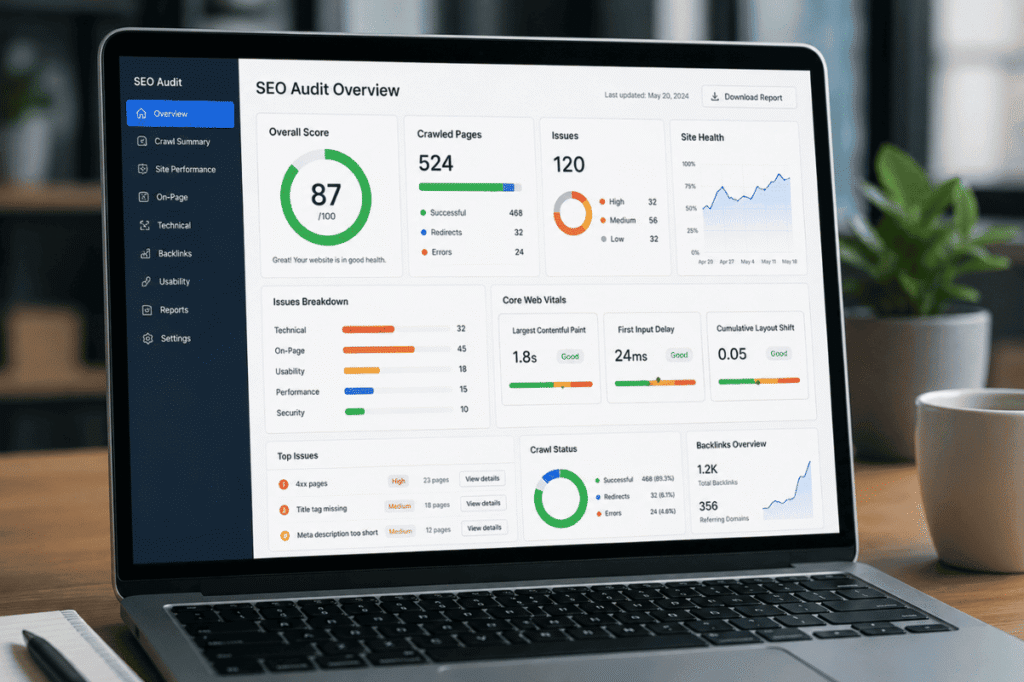
Search engine optimization isn’t just about writing great content or earning backlinks. Even the best content can struggle to rank if search engines can’t efficiently crawl, understand, and index your website. That’s where technical SEO comes in. Technical SEO focuses on optimizing the technical foundation of your website so search engines can access, interpret, and rank your pages more effectively. While it often sounds intimidating, most technical improvements are practical, measurable, and have long-term benefits for both search engines and visitors. In this guide, you’ll learn what technical SEO is, why it matters, the most important fixes to prioritize, and common mistakes that prevent websites from reaching their ranking potential. What Is Technical SEO? Technical SEO is the process of optimizing your website’s infrastructure so search engines can crawl, index, and understand your content efficiently. Unlike on-page SEO, which focuses on content and keywords, or off-page SEO, which focuses on authority and backlinks, tech SEO ensures the website itself isn’t creating barriers for search engines. A technically healthy website typically offers: Fast loading pages Secure HTTPS connections Mobile-friendly design Clear site architecture Proper indexing Structured data Minimal crawl errors Think of technical SEO as building strong foundations before decorating a house. Without a solid structure, everything built on top becomes less effective. Why Technical SEO Matters for Rankings Google wants to provide users with the best possible experience. If your website is difficult to crawl, slow to load, or filled with technical errors, search engines may not fully understand or trust your content. Good technology SEO helps by: Improving crawl efficiency Increasing indexation of important pages Reducing duplicate content issues Enhancing page experience Supporting better Core Web Vitals Helping search engines understand page relationships Technical improvements won’t automatically push a page to the top of Google, but they remove obstacles that may be limiting your site’s performance. How Search Engines Crawl Your Website Before understanding technical fixes, it helps to know how search engines work. The process generally follows three steps: Crawling Search engine bots discover pages by following links, sitemaps, and previous crawl data. Indexing Once a page is crawled, Google evaluates whether it should be stored in its index. Ranking Indexed pages compete for visibility based on hundreds of ranking signals, including relevance, authority, usability, and quality. If crawling or indexing fails, rankings become impossible regardless of content quality. Essential Technical SEO Fixes That Improve Crawlability 1. Build a Clear Website Structure A logical site structure helps both users and search engines. A well-organized website: Groups related topics together Uses descriptive URLs Minimizes unnecessary clicks Makes important pages easy to find Ideally, users and search engines should reach valuable pages within a few clicks from the homepage. 2. Improve Internal Linking Internal links guide crawlers throughout your website. Strong internal linking helps: Discover new pages Pass authority between pages Establish topic relevance Improve user navigation Avoid orphan pages that have no internal links pointing to them. 3. Submit an XML Sitemap An XML sitemap provides search engines with a roadmap of important pages. A sitemap should: Include canonical URLs Exclude unnecessary pages Update automatically when new content is published Although Google can often discover pages naturally, a sitemap makes the process more efficient. 4. Optimize Your Robots.txt File Your robots.txt file tells search engines which sections of your website should or shouldn’t be crawled. Common mistakes include: Blocking important pages Accidentally blocking CSS or JavaScript files Preventing search engines from accessing critical resources Always review robots.txt carefully after website updates. 5. Fix Crawl Errors Google Search Console reports crawl issues such as: 404 errors Server errors Redirect loops Blocked resources Regularly monitoring these reports helps ensure search engines continue accessing your content properly. 6. Improve Website Speed Page speed affects both user experience and crawling efficiency. Large images, excessive scripts, and poor hosting can slow a website significantly. Some practical improvements include: Compressing images Enabling browser caching Using modern image formats Reducing unnecessary plugins Minifying CSS and JavaScript Using a content delivery network (CDN) Faster websites often experience better engagement and lower bounce rates. 7. Optimize Core Web Vitals Core Web Vitals measure real-world user experience. The primary metrics include: Largest Contentful Paint (LCP) Interaction to Next Paint (INP) Cumulative Layout Shift (CLS) Improving these metrics helps create a smoother browsing experience while supporting your overall technical SEO strategy. 8. Make Your Website Mobile Friendly Google primarily uses mobile-first indexing. That means Google evaluates the mobile version of your website before the desktop version. Ensure: Responsive layouts Readable font sizes Proper button spacing Fast mobile loading Easy navigation Poor mobile usability can negatively affect both users and search visibility. 9. Secure Your Website with HTTPS HTTPS protects user data and builds trust. Modern browsers warn visitors when websites aren’t secure, which can reduce confidence and increase bounce rates. Most websites today should use HTTPS across every page. 10. Use Canonical Tags Correctly Duplicate content isn’t always harmful, but it can confuse search engines. Canonical tags indicate the preferred version of similar pages. Examples include: Product variations Filtered category pages URL parameters Printer-friendly pages Proper canonicalization helps consolidate ranking signals. 11. Implement Structured Data Structured data helps search engines better understand your content. Depending on your website, you may use schema for: Articles Products FAQs Reviews Organizations Local businesses While structured data doesn’t guarantee rich results, it increases eligibility for enhanced search listings. 12. Eliminate Broken Links Broken internal links create poor user experiences and waste crawl resources. Regular audits help identify: Broken navigation links Missing images Outdated redirects Deleted pages Fixing these issues keeps your website healthy and easier to crawl. Common Technical SEO Mistakes Many websites unknowingly create technical problems during redesigns or migrations. Some of the most common issues include: Blocking important pages from indexing Using endless redirect chains Creating duplicate URLs Ignoring crawl errors Publishing slow-loading pages Missing XML sitemaps Poor internal linking Broken canonical tags Unoptimized mobile experiences Routine technical audits help identify these issues before they affect rankings. Technical SEO Tools Worth
Where to Put SEO Keywords on Your Website Without Over-Optimizing

Most website owners understand that keywords matter. The challenge is knowing where they belong. Some people cram the same phrase into every heading, paragraph, and image alt tag, hoping Google will reward them. Others barely use keywords at all because they worry about penalties. Neither approach works well today. Modern SEO is about relevance, context, and helping users find exactly what they’re looking for. Search engines have become much better at understanding topics, intent, and natural language. That means your keyword placement should support the reader first, not just the algorithm. In this guide, you’ll learn where to place seo keywords, how to avoid over-optimization, and why understanding how to choose keywords for seo and how to do seo keyword research is just as important as using the keywords themselves. Whether you’re publishing a blog, creating a service page, or optimizing an ecommerce website, these best practices will help you create content that performs well without sounding forced. Why Keyword Placement Still Matters Keywords tell search engines what your page is about. They also reassure visitors that they’ve landed on the right page. However, keyword placement is no longer about repetition. Instead, search engines look at: Topic relevance Search intent Content quality Natural language User experience Overall page structure A well-written article with thoughtful keyword placement will almost always outperform a page that’s stuffed with repetitive phrases. Before Placement Comes Research You cannot place keywords effectively if you’ve chosen the wrong ones. That’s why learning how to choose keywords for seo is the first step. Good keywords should have: Clear search intent Reasonable competition Relevant search volume Strong connection to your products or services For example, someone searching: “SEO keywords” “how to do seo keyword research” “best keyword research tools” has different goals, even though the topics are related. Understanding intent allows you to create content that actually answers the searcher’s question. How to Do SEO Keyword Research If you’re wondering how to do seo keyword research, start by thinking like your customers. Ask yourself: What problem are they trying to solve? What questions would they search? What words would beginners use? What words would experienced users use? Then use keyword research tools to validate your ideas. Helpful options include: Google Search suggestions Google Search Console Google Keyword Planner Ahrefs Semrush Moz AnswerThePublic Look for related phrases, long-tail keywords, and common questions that can naturally fit throughout your content. Remember, keyword research isn’t about finding one perfect keyword. It’s about understanding the entire topic. Where to Put SEO Keywords Naturally Let’s go through the areas that matter most. The Page Title Your title is one of the strongest relevance signals. Include your primary keyword naturally, preferably near the beginning. Example: Where to Put SEO Keywords Without Over-Optimizing Avoid awkward titles like: SEO Keywords SEO Guide SEO Tips for SEO Keywords Write for humans first. The URL Keep URLs: Short Descriptive Easy to read Good: yourdomain.com/where-to-put-seo-keywords Poor: yourdomain.com/blog?id=45873&keyword=seo-keywords-guide-best Simple URLs are easier for users and search engines. The H1 Heading Your H1 should clearly describe the page. Include the primary keyword once if it fits naturally. Since the H1 usually matches or closely resembles the title, there’s no need to force extra variations. The Introduction Google pays attention to the beginning of your content because it quickly establishes the page topic. Mention your primary keyword naturally within the first paragraph or two. Don’t force it multiple times. One clear mention is usually enough. Headings (H2s and H3s) Headings help both readers and search engines understand your content structure. Include keywords only where they genuinely improve clarity. For example: How to Do SEO Keyword Research Common SEO Keyword Mistakes Where SEO Keywords Belong Avoid repeating the exact keyword in every heading. Instead, use related terms and natural language. Throughout the Body Content This is where many websites make mistakes. Instead of counting keyword density, focus on discussing the topic thoroughly. Naturally include: Primary keyword Secondary keywords Related phrases Synonyms For example, an article about seo keywords may also mention: search terms keyword targeting search intent organic rankings keyword optimization content strategy This creates topical relevance without sounding repetitive. Image File Names Images can provide additional context. Instead of uploading: IMG0045.jpg Rename it: seo-keyword-placement-guide.jpg Keep filenames descriptive but concise. Image Alt Text Alt text exists primarily for accessibility. Describe the image honestly. Good example: “Example showing proper SEO keyword placement in a blog article.” Avoid stuffing keywords into every image. Meta Description Although meta descriptions aren’t a direct ranking factor, they can improve click-through rates. Include the primary keyword naturally while writing a compelling summary. Think of it as your page’s advertisement in search results. Internal Links Internal links help search engines understand relationships between pages. Instead of always using identical anchor text, vary it naturally. For example: keyword research guide SEO content strategy on-page SEO checklist optimizing website content Natural anchor text creates a healthier internal linking profile. External Links Referencing trustworthy sources can improve credibility. Link to authoritative resources when they genuinely help readers understand a topic better. Quality matters more than quantity. Conclusion Your conclusion is another appropriate place to reinforce your main topic. Mention the primary keyword naturally while summarizing the article. Avoid introducing entirely new information here. How Often Should You Use SEO Keywords? There’s no ideal keyword percentage. Instead, ask yourself: Does the page sound natural? Would I notice the keyword being repeated? Does every mention serve a purpose? If the answer is yes, you’re probably on the right track. Search engines now understand context remarkably well. You don’t need to repeat the same phrase twenty times. Signs You’re Over-Optimizing Keyword stuffing often creates content that’s difficult to read. Common warning signs include: The same phrase appears in every paragraph. Every heading contains identical wording. Keywords appear where they don’t make sense. Image alt text repeats the same keyword. Internal links all use identical anchor text. The writing feels robotic. If your content sounds unnatural when read aloud, it’s worth revising. Best Practices for Natural Keyword
Off-Page SEO Services Explained: What Agencies Actually Do

f you’ve invested in SEO before, you’ve probably heard the phrase off-page SEO services. Many agencies promise higher rankings through backlinks, outreach, and digital PR, but what do these services actually involve? The truth is that off-page SEO is much more than simply building links. A reliable off page SEO company focuses on improving your website’s authority, trust, and reputation through ethical strategies that support long-term search visibility. In this guide, we’ll explain what off-page SEO services include, why they matter, and how to choose the right agency for your business. What Are Off-Page SEO Services? Off page SEO services are activities performed outside your website to improve its credibility and authority in search engines. Unlike on-page SEO, which focuses on optimizing your website’s content and technical elements, off-page SEO helps search engines understand how other websites and users view your brand. Common goals include: Building high-quality backlinks Increasing brand authority Improving online reputation Driving referral traffic Supporting higher search rankings A successful off-page strategy is built on relevance, quality, and consistency rather than shortcuts. What Does an Off Page SEO Company Actually Do? Not all SEO agencies follow the same approach, but reputable providers usually offer a combination of ethical link-building and digital authority strategies. Backlink Research Agencies identify websites that are relevant to your industry and capable of providing valuable backlinks. Rather than chasing large numbers of links, they focus on quality opportunities. Outreach Campaigns Professional outreach involves contacting website owners, editors, and publishers to earn natural backlinks. This may include: Guest posting Resource page outreach Editorial placements Partnership opportunities Personalized outreach generally produces better results than mass email campaigns. Content Promotion Even great content needs visibility. An agency may promote your guides, tools, research, or blog posts to publishers and industry websites that could benefit from referencing your content. Digital PR Many agencies now combine SEO with digital public relations. By helping businesses share expert opinions, original research, and newsworthy stories, they can earn editorial mentions from trusted publications. These backlinks are often among the most valuable in SEO. Competitor Analysis An experienced agency studies your competitors’ backlink profiles to uncover opportunities you may be missing. This helps create a smarter and more targeted link-building strategy. Common Off Site SEO Services Businesses often ask what is included in off site SEO services. Typical services include: Guest posting Resource page link building Digital PR campaigns Brand mention outreach Broken link building Local business citations Industry directory submissions Competitor backlink analysis Link profile audits Outreach management The exact mix depends on your industry, goals, and competition. Why Off-Page SEO Matters Search engines want to recommend trustworthy websites. Off-page SEO provides signals that help demonstrate your credibility. Benefits include: Improved domain authority Higher keyword rankings Increased referral traffic Better brand visibility Stronger online reputation When combined with quality content and technical SEO, off-page optimization supports sustainable growth. What to Look for in an Off Page SEO Company Choosing the right partner is just as important as choosing the right strategy. Look for an agency that: Uses white hat SEO techniques Focuses on relevant websites Provides transparent reporting Avoids guaranteed ranking promises Builds links naturally Communicates clearly Be cautious of companies that promise hundreds of backlinks in a few days. Quality link building takes time and genuine outreach. Red Flags to Avoid Some agencies still rely on outdated practices that may harm your website. Watch out for: Spammy directory submissions Automated link building Private blog networks (PBNs) Paid links from irrelevant websites Keyword-stuffed anchor text Unrealistic ranking guarantees Shortcuts may produce temporary gains, but they often create long-term risks. How Long Do Off-Page SEO Services Take? Off-page SEO isn’t an overnight process. Most businesses begin seeing gradual improvements over several months, depending on factors such as: Website age Competition Existing authority Content quality Link-building consistency The goal is steady, sustainable growth rather than quick wins. Why Ethical Link Building Wins Search engines continue to reward websites that earn backlinks naturally. Instead of focusing on volume, successful agencies prioritize: Relevant publishers Helpful content Editorial links Industry relationships Long-term authority This approach creates a stronger backlink profile that remains valuable as search algorithms evolve. How BuyBacklinks.ca Can Help At BuyBacklinks.ca, off-page SEO is built around quality rather than quantity. Every campaign focuses on earning relevant backlinks through ethical outreach, trusted publishers, and proven white hat strategies. Whether you’re looking to strengthen your authority, increase organic visibility, or develop a long-term SEO strategy, the emphasis is always on sustainable growth instead of risky shortcuts. Conclusion Understanding off page SEO services helps you make better decisions when investing in SEO. A trustworthy off page SEO company does far more than build backlinks. It develops a strategy that improves authority, earns relevant mentions, and supports lasting search performance. By choosing ethical off site SEO services, businesses can strengthen their online reputation, attract qualified traffic, and achieve sustainable rankings that continue to deliver value over time. FAQ Section What are off page SEO services? Off-page SEO services include activities outside your website that improve authority and search visibility, such as link building, digital PR, guest posting, and brand mentions. What does an off page SEO company do? An off page SEO company helps businesses build authority through ethical backlink acquisition, outreach campaigns, competitor analysis, and other off-site optimization strategies. Are off site SEO services different from off-page SEO? No. The terms are often used interchangeably and both refer to optimization activities performed outside your website. How long does off-page SEO take? Results vary, but most businesses see gradual improvements over several months as authority and backlinks grow naturally. Are backlinks still important in 2026? Yes. High-quality, relevant backlinks remain one of the strongest authority signals used by search engines when evaluating websites. humna
What Is Off-Page SEO? The 2026 Beginner’s Guide to Authority Signals

If you’ve spent any time learning about search engine optimization, you’ve probably come across the term off-page SEO. While creating quality content and optimizing your website are essential, they represent only part of the SEO equation. Search engines also evaluate how the rest of the internet views your website. That’s where off-page SEO comes in. If you’re wondering what is off page SEO, think of it as everything that happens outside your website to improve its reputation, trust, and authority. These external signals help search engines determine whether your content deserves to rank above competitors. In this beginner-friendly guide, you’ll learn what off-page SEO is, why it matters, the most effective off page SEO techniques and how to build authority the right way in 2026. What Is Off-Page SEO? Off-page SEO refers to all optimization activities that occur outside your website to improve its visibility in search engine results. Unlike on-page SEO, which focuses on optimizing content, headings, images, and technical elements on your website, off-page SEO is about building credibility across the web. Search engines use these external signals to evaluate factors such as: Website authority Trustworthiness Brand reputation Content popularity Industry relevance The stronger these signals are, the more confidence search engines have in recommending your website to users. Why Off-Page SEO Matters Even the best content may struggle to rank if no one references or trusts it. Off-page SEO helps search engines answer important questions like: Do other reputable websites recommend this content? Is this business recognized within its industry? Is the website trustworthy? Are people talking about this brand online? Positive answers to these questions can strengthen your search visibility over time. The Most Important Off Page SEO Techniques Building authority doesn’t happen overnight. Instead, it comes from consistently applying ethical strategies that improve your online reputation. 1. Earn High-Quality Backlinks Backlinks remain one of the strongest off-page ranking signals. A backlink is simply a link from another website to yours. When respected websites reference your content, search engines may view your site as more authoritative. Focus on earning backlinks from: Relevant industry websites Trusted blogs Business publications Educational resources Professional organizations Quality is always more important than quantity. 2. Create Shareable Content Useful content naturally attracts links and mentions. Consider publishing: Comprehensive guides Original research Industry statistics Checklists Infographics Case studies The more value your content provides, the more likely others are to recommend it. 3. Build Brand Mentions Not every authority signal includes a backlink. Mentions of your business across trusted websites, podcasts, forums, and news articles can contribute to your overall online reputation. Consistent branding also helps users recognize and trust your business. 4. Guest Posting Writing helpful articles for reputable websites remains a valuable off-page SEO strategy. Focus on contributing genuinely useful content rather than publishing solely for backlinks. Guest posting can help you: Reach new audiences Build credibility Earn relevant backlinks Develop industry relationships 5. Digital PR Digital PR combines traditional public relations with SEO. By sharing expert insights, original research, or newsworthy stories, businesses can earn editorial mentions from trusted media outlets. These editorial backlinks are often among the highest-quality links available. 6. Resource Page Link Building Many organizations maintain pages listing useful industry resources. If your content provides genuine value, you may earn placement on these pages through thoughtful outreach. This is one of the most sustainable white hat link-building techniques. Authority Signals Beyond Backlinks Although backlinks receive the most attention, search engines evaluate many other trust signals. Examples include: Brand searches Online reviews Business citations Social visibility Expert mentions Industry recognition These signals work together to strengthen your website’s overall authority. Common Off-Page SEO Mistakes Many beginners focus on shortcuts instead of sustainable growth. Avoid these common mistakes. Buying Low-Quality Links Cheap backlink packages from spammy websites can damage your website’s reputation. Always prioritize relevance and quality. Ignoring Link Relevance A backlink from a related industry website is generally more valuable than dozens of unrelated links. Using Black Hat Techniques Practices such as link farms, automated link building, and private blog networks violate search engine guidelines and may increase the risk of penalties. Expecting Instant Results Off-page SEO is a long-term investment. Building authority takes consistency, patience, and quality work. Off-Page SEO Best Practices for 2026 As search engines become better at evaluating trust and relevance, successful websites focus on ethical optimization. Follow these best practices: Create valuable content worth referencing. Build relationships within your industry. Earn editorial backlinks naturally. Diversify your backlink profile. Monitor your online reputation. Keep your content updated. The goal isn’t simply to collect links it’s to become a trusted resource. How BuyBacklinks.ca Can Help Building authority requires time, research, and a thoughtful strategy. BuyBacklinks.ca helps businesses develop ethical backlink campaigns focused on quality, relevance, and sustainable SEO growth. Rather than relying on risky shortcuts, the goal is to strengthen your website with backlinks that support long-term search performance. Understanding what is off page SEO is the first step toward building lasting online authority. While technical SEO and quality content are essential, external trust signals help search engines determine whether your website deserves to rank. By applying proven off page SEO techniques such as earning quality backlinks, creating valuable content, participating in digital PR, and building genuine industry relationships, you can strengthen your website’s reputation over time. A consistent, ethical approach will always outperform shortcuts when it comes to long-term SEO success. FAQ Section What is off page SEO? Off-page SEO includes all activities outside your website that help improve search engine rankings, such as earning backlinks, building brand mentions, and increasing online authority. Why is off-page SEO important? It helps search engines evaluate your website’s credibility, authority, and trustworthiness using external signals from across the web. What are the best off page SEO techniques? Some of the most effective techniques include earning quality backlinks, guest posting, digital PR, resource page link building, creating shareable content, and building brand mentions. Is off-page SEO different from on-page SEO? Yes. On-page SEO focuses on optimizing
SEO Anchor Text Best Practices: Real Examples and Optimization Guide

Anchor text may seem like a small part of SEO, but it has a significant impact on how search engines and users understand a webpage. Whether you’re building internal links or earning backlinks from other websites, choosing the right anchor text helps create a better user experience while strengthening your SEO strategy. When used naturally, SEO anchor text provides context, improves website navigation, and signals the relevance of the linked page. However, over-optimizing anchor text or using repetitive keywords can do more harm than good. In this guide, you’ll learn what SEO anchor text is, the different types of anchor text, best practices for optimization, and real examples you can apply to your own website. What Is SEO Anchor Text? SEO anchor text is the clickable text in a hyperlink that directs users to another page or website. It tells both readers and search engines what they can expect after clicking the link. For example, instead of writing: Click here A more descriptive anchor text would be: Learn more about white hat link building. This gives users a clear idea of where the link leads and helps search engines understand the destination page. Why Anchor Text Matters for SEO Anchor text plays an important role in both usability and search engine optimization. Benefits include: Helps search engines understand page topics Improves website navigation Supports internal linking strategies Increases user trust Encourages higher click-through rates Well-written anchor text creates a better experience for visitors while reinforcing the relevance of linked content. Types of SEO Anchor Text Understanding the different anchor text types helps create a natural backlink profile. Exact Match The anchor text exactly matches the target keyword. Example: SEO anchor text Use exact-match anchors sparingly to avoid appearing manipulative. Partial Match Includes part of the target keyword along with additional words. Example: best practices for SEO anchor text This is generally safer and feels more natural. Branded Anchor Uses your business or website name. Example: BuyBacklinks.ca Branded anchors help strengthen brand recognition while maintaining a natural link profile. Generic Anchor Common phrases such as: Learn more Read this guide Visit the website These are acceptable occasionally but shouldn’t dominate your linking strategy. Naked URL The full website address is used as the anchor. Example: https://buybacklinks.ca/ These often appear in citations or references. SEO Anchor Text Best Practices Write Naturally Your anchor text should fit naturally into the sentence. Avoid forcing keywords where they don’t belong. Instead of: “Our SEO anchor text SEO anchor text guide explains everything.” Write: “This guide explains how to optimize SEO anchor text for better rankings.” Natural writing improves readability and user trust. Be Descriptive Readers should understand where the link leads before clicking. Good example: Complete guide to guest posting Poor example: Click here Specific anchors improve both usability and SEO. Avoid Keyword Stuffing Using the same keyword repeatedly across every backlink can appear unnatural. Instead, vary your anchor text with: Branded anchors Partial-match phrases Natural language Related keywords A diverse anchor profile looks more authentic. Prioritize User Experience Always ask yourself: “Does this anchor help the reader?” If the answer is yes, you’re likely on the right track. Search engines increasingly reward websites that prioritize users over algorithms. Real Examples of Good Anchor Text Here are a few examples of effective anchor text. Poor Anchor Text Better Anchor Text Click here Learn how white hat link building works Read more SEO backlink optimization guide This page Internal linking best practices Visit site Explore our guest posting services More info Complete technical SEO checklist The better examples provide context and encourage users to click confidently. Common Anchor Text Mistakes Avoid these common SEO mistakes. Overusing Exact-Match Keywords Repeating the same keyword across many backlinks may appear manipulative. Using Generic Links Everywhere Phrases like “click here” provide little context. Linking Irrelevant Pages Anchor text should accurately describe the destination page. Ignoring Internal Links Many websites focus only on backlinks while overlooking internal linking opportunities. Strong internal linking improves both SEO and user navigation. How Internal Links Benefit from Optimized Anchor Text Anchor text isn’t only for backlinks. Internal links help search engines understand your website structure while guiding visitors toward related content. For example, if you have articles about: White hat link building Guest posting Resource page link building HARO outreach You can naturally connect them using descriptive anchor text. This improves topical relevance and keeps users engaged longer. How BuyBacklinks.ca Supports Ethical Link Building An effective SEO strategy goes beyond earning backlinks. It also includes thoughtful anchor text optimization that creates natural, relevant, and user-friendly links. At BuyBacklinks.ca, ethical link-building practices focus on relevance, quality, and long-term SEO success rather than keyword manipulation or spammy tactics. Building a balanced anchor text profile helps strengthen authority while supporting sustainable search visibility. SEO anchor text remains a fundamental part of successful search engine optimization. When written naturally and used strategically, anchor text helps search engines understand your content while making navigation easier for visitors. Focus on clarity, relevance, and variety rather than chasing exact-match keywords. By combining descriptive internal links with high-quality backlinks, you’ll build a stronger website that benefits both users and search engines. If you’re looking to strengthen your backlink profile with ethical SEO practices, BuyBacklinks.ca can help you build a long-term strategy focused on quality and sustainable growth. FAQ Section What is SEO anchor text? SEO anchor text is the clickable text in a hyperlink that describes the content of the linked page for users and search engines. Does anchor text still matter for SEO? Yes. Relevant and descriptive anchor text helps search engines understand page context and improves user experience. How often should I use exact-match anchor text? Use exact-match anchor text sparingly. A natural mix of branded, partial-match, and descriptive anchors is generally considered a healthier approach. What is the best anchor text for internal links? The best internal anchor text clearly describes the destination page and fits naturally within the surrounding content. Can poor anchor text hurt SEO? Yes. Keyword
HARO Link Building: Is Help a Reporter Out Still Worth It in 2026?

For years, HARO link building was considered one of the best ways to earn high-authority backlinks. SEO professionals, business owners, and marketers used the platform to connect with journalists seeking expert opinions, often resulting in valuable media mentions from trusted publications. However, the digital PR landscape has changed significantly. Help a Reporter Out (HARO) is no longer the dominant platform it once was, and many marketers now rely on newer journalist request services and digital PR strategies. So, does HARO link building still deserve a place in your SEO strategy in 2026? The short answer is yes but with realistic expectations. In this guide, you’ll learn how HARO link building works, its advantages and limitations, whether it’s still worth your time, and how to improve your chances of earning high-quality backlinks. What Is HARO Link Building? HARO link building is the process of earning backlinks by responding to journalists’ requests for expert sources. Journalists often need credible opinions, statistics, industry insights, or professional commentary for their articles. Businesses and experts can submit responses, and if selected, their quote may appear in the published article. In many cases, the publication includes: Your name Your business Your website A backlink to your site Because many media websites have strong authority, these backlinks can positively contribute to your website’s credibility and visibility. How HARO Link Building Works The process is relatively straightforward. Step 1: Monitor Journalist Requests Journalists publish requests looking for expert insights on specific topics. Requests often include: Industry Topic Deadline Required expertise Step 2: Find Relevant Opportunities Rather than responding to every request, focus on topics where you have genuine knowledge. Relevance significantly increases your chances of being selected. Step 3: Submit a Helpful Response Your response should be: Clear Concise Accurate Original Easy to quote Avoid promotional language. Journalists are looking for useful information not advertisements. Step 4: Wait for Publication If your response is selected, the journalist may include your quote in their article. Some publications provide backlinks, while others only mention your name or company. Why HARO Link Building Became So Popular HARO became one of the most respected link-building methods because it offered something search engines value: Earned editorial backlinks. Unlike paid links or link exchanges, these backlinks are given because your expertise contributes to the article. Some additional benefits include: Links from trusted media websites Increased brand exposure Improved authority Referral traffic Opportunities to establish thought leadership Editorial backlinks remain among the most valuable types of links in SEO. Is HARO Still Worth It in 2026? The answer depends on your expectations. HARO link building is still capable of producing high-quality backlinks, but the process is much more competitive than it was several years ago. Today: More businesses compete for the same opportunities. Journalists receive hundreds of responses. Response quality expectations are higher. Success rates may be lower without experience. Rather than viewing HARO as a quick backlink tactic, think of it as a long-term digital PR strategy. One successful placement on a respected publication can provide more value than dozens of low-quality backlinks. Advantages of HARO Link Building High-Authority Backlinks Many publications using journalist requests have established authority and strong reputations. These backlinks often carry more value than links from smaller websites. Editorial Trust Editorial links are earned rather than purchased. This makes them naturally aligned with search engine guidelines. Brand Visibility Even when a backlink isn’t included, being quoted in respected publications can strengthen your brand’s credibility. Potential customers often trust businesses featured in well-known media outlets. Referral Traffic Readers may click through to learn more about your business. This creates opportunities beyond SEO. Long-Term Value Quality editorial links often remain live for years, continuing to provide authority and referral traffic. Challenges of HARO Link Building Although HARO has clear benefits, it also presents several challenges. High Competition Popular journalist requests often receive hundreds of submissions. Only a small percentage are selected. Time Commitment Successful campaigns require: Monitoring opportunities Writing responses Following deadlines Repeating the process consistently Results rarely happen overnight. No Guaranteed Backlinks Even if your quote is published, the journalist may choose not to include a website link. Some publications have editorial policies that limit outbound links. Strict Deadlines Journalists often need responses within hours. Quick, high-quality replies improve your chances. Best Practices for HARO Link Building If you decide to use HARO or similar journalist request platforms, these best practices can improve your success rate. Respond Quickly Journalists often review submissions as they arrive. Submitting early increases visibility. Only Answer Relevant Requests Don’t force your expertise into unrelated topics. Focused responses are far more effective. Keep Responses Concise Most journalists appreciate answers they can easily quote. Aim for practical insights rather than lengthy explanations. Provide Original Value Generic advice rarely stands out. Offer: Personal experience Industry observations Actionable insights Professional expertise Originality makes your response more useful. Include Professional Credentials Briefly explain why you’re qualified to answer the question. This builds credibility without becoming promotional. Common HARO Link Building Mistakes Avoid these common errors. Sending Generic Responses Journalists can quickly recognize copy-and-paste submissions. Customize every response. Being Too Promotional Your goal is to help the journalist—not advertise your business. Educational responses perform better. Ignoring Deadlines Late submissions are almost never considered. Expecting Immediate Results HARO is a long-term strategy. Consistent participation generally produces better outcomes than occasional submissions. Alternatives to HARO in 2026 While HARO helped popularize journalist outreach, several similar platforms now exist. Businesses can also earn editorial backlinks through: Digital PR campaigns Expert interviews Podcast guest appearances Industry publications Original research Newsworthy company announcements Diversifying your outreach strategy reduces dependence on any single platform. Should Every Business Use HARO? Not necessarily. HARO works best for businesses and professionals who can consistently provide expert insights. It’s particularly valuable for: Agencies Consultants Lawyers Financial professionals Healthcare experts Technology companies Business owners Industry specialists If your business has genuine expertise to share, journalist outreach can become an excellent source of earned backlinks. How BuyBacklinks.ca Supports Ethical Link Building Editorial backlinks
Resource Page Link Building: How to Earn Easy, Relevant Mentions
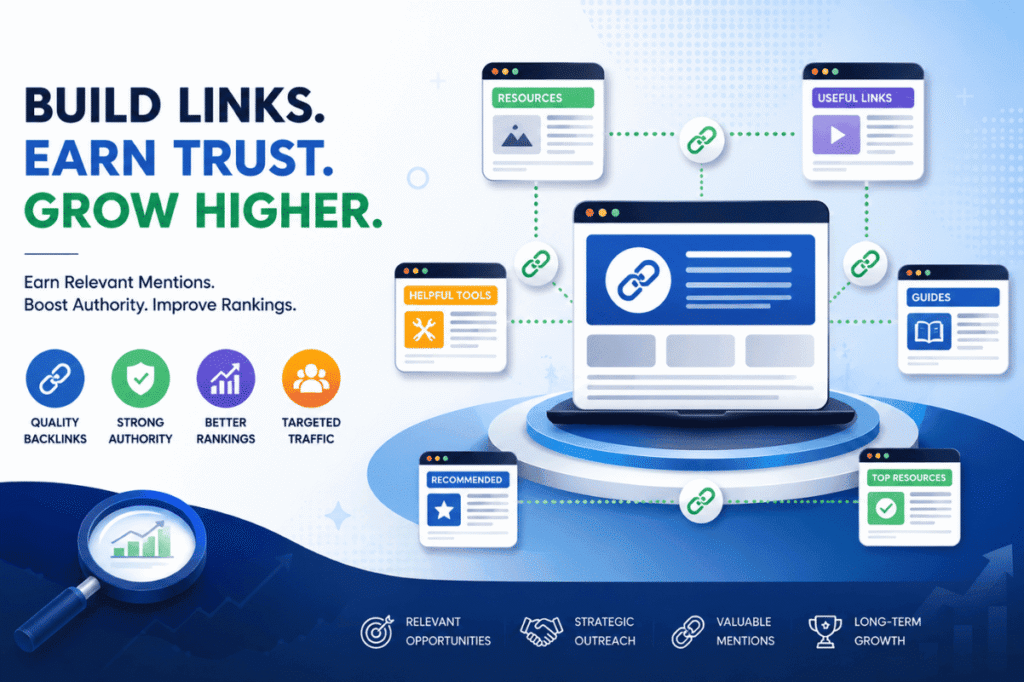
Backlinks remain one of the strongest signals search engines use to evaluate website authority. But earning quality links has become increasingly challenging as search engines continue to prioritize relevance, trust, and user value. Fortunately, not all link-building strategies require complex outreach campaigns or large content budgets. One of the most effective yet often overlooked methods is resource page link building. Resource pages exist specifically to help users find valuable information, tools, guides, services, and educational content. Because these pages are designed to link out to useful resources, they can provide excellent opportunities for earning highly relevant backlinks. In this guide, you’ll learn exactly what resource page link building is, why it works, how to find opportunities, and the best practices for securing quality mentions in 2026. What Is Resource Page Link Building? Resource page link building is the process of earning backlinks from web pages that curate helpful resources for a specific topic, industry, audience, or community. These pages are commonly titled: Resources Helpful Links Recommended Tools Useful Websites Learning Resources Industry Resources Partner Resources Their purpose is simple: help visitors discover valuable information. For example, a marketing association may maintain a resource page featuring SEO tools, educational blogs, and marketing agencies. If your content provides value to their audience, your website could be included as a recommended resource. Unlike many link-building tactics, resource page outreach feels natural because you’re offering something that genuinely improves the page. Why Resource Page Link Building Works Many link-building strategies involve convincing website owners to add new links to existing content. Resource pages are different. The website owner already expects to add useful recommendations. This creates several advantages: Highly relevant backlinks Natural link placement Strong topical relevance Easier outreach conversations Long-term link value Improved referral traffic opportunities When your website appears on a carefully curated resource page, both search engines and users can view your content as a trusted source. What Makes a Good Resource Page Opportunity? Not every resource page is worth pursuing. The best opportunities share several characteristics. Relevance A backlink from a closely related industry website is usually more valuable than one from an unrelated site. For example: SEO content should appear on digital marketing resources pages. Financial content should appear on finance-related resources pages. Healthcare content should appear on health-focused websites. Topical alignment matters. Quality Look for websites that demonstrate: Useful content Regular updates Real audience engagement Clear expertise Professional design Avoid spammy pages that exist solely to exchange links. Active Maintenance Some resource pages haven’t been updated in years. Check whether: Links still work Content remains current New resources are occasionally added Active pages tend to provide greater long-term value. How to Find Resource Page Link Building Opportunities Finding opportunities is often easier than people expect. The key is using targeted search operators. Try searches like: Keyword + resources Keyword + helpful links Keyword + recommended websites Keyword + useful resources Keyword + industry resources Keyword + resource page For example: SEO resources Small business resources Marketing helpful links Ecommerce resource page These searches can uncover websites actively linking to useful content in your niche. Look at Competitor Backlinks Another effective method is analyzing competitors. If competing websites have earned links from resource pages, there’s a good chance similar opportunities exist for your business. Review: Industry blogs Educational websites Associations Community organizations Professional directories Non-profit organizations Many of these websites maintain resource sections. Create Something Worth Linking To One of the biggest mistakes in resource page link building is focusing entirely on outreach. Outreach alone won’t work if your content isn’t valuable. Before contacting website owners, ask yourself: “Would I personally recommend this page as a resource?” Strong resource-worthy content includes: Comprehensive Guides Detailed educational content often performs well. Examples: Beginner’s guides Industry tutorials Step-by-step instructions Ultimate guides Useful Tools Free tools naturally attract links. Examples include: Calculators Checklists Templates Generators Assessment tools Original Research Unique data gives website owners a compelling reason to reference your content. Examples: Surveys Industry studies Reports Trend analysis Resource Hubs Creating your own resource center can make your website more linkable. A well-organized collection of valuable information often earns mentions naturally. How to Conduct Resource Page Outreach Once you’ve identified suitable opportunities, it’s time to reach out. The goal is not to demand a backlink. The goal is to demonstrate value. Step 1: Review the Resource Page Carefully examine the page. Ask: What type of resources are included? Who is the audience? Are there outdated resources? Are there gaps your content could fill? Personalization starts here. Step 2: Find the Right Contact Look for: Website owners Editors Content managers Resource coordinators Generic outreach often receives lower response rates. Step 3: Keep Your Email Short Busy website owners appreciate concise communication. A simple structure works best: Introduce yourself Mention the specific resource page Explain why your content is relevant Politely suggest consideration Focus on helping their audience rather than promoting yourself. Resource Page Outreach Example Subject: Helpful Resource for Your Resource Page Hello [Name], I came across your resource page on [Topic] and found it extremely useful. I noticed you share educational resources that help your audience learn more about [Industry]. We recently published a guide on [Topic] that may be valuable for your readers. If you think it would be helpful, feel free to consider adding it to your resource collection. Thank you for your time and for maintaining such a useful page. Best regards, [Your Name] Simple, respectful outreach often performs better than aggressive sales pitches. Common Resource Page Link Building Mistakes Many marketers reduce their success by making avoidable mistakes. Sending Mass Emails Generic outreach messages are easy to spot. Personalized emails consistently perform better. Targeting Irrelevant Pages A resource page should closely match your topic. Relevance matters more than volume. Promoting Weak Content Even the best outreach cannot compensate for low-value content. Create something genuinely useful first. Ignoring User Experience If visitors arrive through a resource page and encounter a poor experience, the link provides less value. Ensure your
White Hat Link Building: 12 Ethical Tactics That Actually Work in 2026
Search engines are smarter than ever. The days of ranking a website by collecting hundreds of low-quality backlinks, submitting to random directories, or using questionable shortcuts are long gone. Today, sustainable SEO growth comes from earning links that make sense. That is where white hat link building comes in. Instead of trying to manipulate search rankings, ethical link building focuses on creating value, building relationships, and earning mentions from websites that genuinely trust your content. For businesses competing online in 2026, backlinks still play an important role in improving visibility, building authority, and attracting qualified traffic. But the quality of those links matters far more than the quantity. This guide explains 12 practical white hat link building tactics that can help websites grow safely while building long-term SEO strength. What Is White Hat Link Building? White hat link building refers to ethical SEO practices used to earn backlinks naturally from other websites. These methods follow search engine guidelines and focus on creating valuable content, improving online relationships, and becoming a trusted source in your industry. A backlink is essentially a recommendation. When another website links to your page, it signals that your content provides useful information. However, not every backlink has the same impact. A link from a relevant, respected website can help strengthen your authority. A link from an unrelated or spammy website may provide little value and could create SEO risks. The goal of white hat link building is simple: Create something worth linking to, then build genuine opportunities for others to discover it. Why White Hat Link Building Matters in 2026 SEO continues to evolve, but one principle remains consistent: search engines want to show users the most trustworthy and helpful results. Ethical link building helps businesses by: Increasing website authority Improving search visibility Driving referral traffic Building brand credibility Creating long-term SEO value3 Many websites fail with link building because they focus only on getting links. Successful campaigns focus on earning the right links. 12 White Hat Link Building Tactics That Actually Work Create Link-Worthy Content The foundation of effective link building is valuable content. Other websites are more likely to link to resources that help their audience. This can include: Detailed guides Industry research Original insights Tutorials Checklists Tools and templates Expert roundups For example, a marketing agency might create a complete SEO checklist for small businesses. A business blog, consultant, or educational website may naturally reference that resource. Great content gives people a reason to link. Publish Original Research and Data Original information is highly valuable because websites cannot find it anywhere else. Examples include: Surveys Industry reports Customer insights Data analysis Market observations When journalists, bloggers, and industry professionals need supporting information, they often link to the original source. Even smaller businesses can create useful research by analyzing their own industry trends or customer experiences. Use Digital PR Strategies Digital PR combines public relations with SEO. Instead of simply asking for links, businesses create stories that people want to share. Examples: Expert commentary on industry news Company announcements Unique campaigns Helpful expert opinions A successful digital PR approach can earn mentions from authoritative websites while increasing brand awareness. Build Relationships With Industry Websites Link building works better when it is relationship-driven. Start by connecting with: Industry bloggers Business owners Publishers Community leaders Professional organizations Engage with their content before asking for anything. Share useful information, participate in discussions, and create genuine connections. Strong relationships often lead to natural collaboration opportunities. Guest Posting on Relevant Websites Guest posting can still be effective when done correctly. The goal is not publishing articles everywhere. The goal is contributing valuable content to websites that are relevant to your audience. Good guest posting practices include: Choosing relevant websites Writing high-quality content Avoiding spammy link placements Providing real value to readers A useful guest article should help the audience first and support SEO second. Create Helpful Resource Pages Many websites maintain resource pages that recommend useful tools, guides, and references. You can earn links by creating something worth including. Examples: Industry guides Free tools Educational resources Comprehensive tutorials After creating the resource, you can reach out to relevant websites and explain why it may help their audience. Recover Unlinked Brand Mentions Sometimes websites mention your business but do not link to your website. These are missed opportunities. You can monitor mentions of your: Brand name Products Services Key people When you find a relevant mention, a polite outreach message can request that the mention becomes a clickable link. This works because the website already knows your brand. Improve Existing Content Not every link-building opportunity requires creating something new. Updating existing content can make it more valuable and more link-worthy. Consider improving: Outdated information Weak explanations Missing examples Poor formatting Old statistics Better content has a stronger chance of earning references from other websites. Create Visual Assets Visual content is highly shareable. Examples include: Infographics Charts Diagrams Original illustrations Data visuals When another website uses your visual, they may link back to your original page as the source. The key is creating visuals that simplify information. Participate in Industry Communities Online communities can help build visibility and authority when approached correctly. Examples include: Professional forums Industry groups Business communities The mistake many businesses make is joining communities only to drop links. Instead: Answer questions Share expertise Help others Contribute valuable information Links often follow naturally when people recognize your expertise. Use Broken Link Building Broken link building involves finding outdated links on relevant websites and suggesting your content as a replacement. The process: Find resource pages in your industry Identify broken links Create or identify useful replacement content Contact the website owner This strategy helps both sides: you earn a backlink, and the website improves its user experience. Work With Ethical Link Building Partners Building quality backlinks takes time, research, and consistent effort. Some businesses choose to work with experienced link building providers to support their SEO strategy. The important thing is choosing a partner that focuses on: Relevant
Google SEO Agency: How to Choose the Right Partner for Your Business
Finding the right Google SEO agency can be one of the most important decisions you make for your business’s online growth. With millions of websites competing for visibility, simply having a website is no longer enough. If potential customers can’t find your business in search results, you’re missing valuable opportunities for traffic, leads, and sales. That’s where SEO comes in. A skilled Google SEO agency can help improve your search visibility, attract qualified visitors, and create a long-term strategy for sustainable growth. However, not all agencies deliver the same level of expertise, transparency, or results. This guide explains what a Google SEO agency does, how to evaluate potential partners, common red flags to avoid, and the key factors that separate exceptional agencies from average ones. What Is a Google SEO Agency? A Google SEO agency specializes in improving a website’s visibility in Google’s search results. Their goal is to help businesses rank for relevant keywords, increase organic traffic, and generate more leads or sales through search engines. Unlike paid advertising, SEO focuses on earning visibility through optimization rather than paying for every click. Most SEO agencies provide services such as: Keyword research On-page SEO Technical SEO Content optimization Link building Local SEO SEO audits Competitor analysis Performance reporting A strong agency doesn’t just improve rankings it aligns SEO efforts with your business goals. Why Hiring a Google SEO Agency Makes Sense Many businesses attempt to manage SEO internally but quickly discover how complex and time-consuming it can become. Google updates its algorithms regularly, competition continues to increase, and SEO requires expertise across multiple disciplines. Access to Specialized Knowledge SEO combines technical expertise, content strategy, user experience, and authority building. Experienced agencies stay updated on: Algorithm changes Industry best practices Technical SEO developments Search trends Ranking factors This allows businesses to benefit from proven strategies without having to build an internal SEO department. Save Time and Resources SEO is not a one-time task. Effective campaigns require ongoing: Optimization Content improvements Technical monitoring Competitor analysis Link acquisition Outsourcing these responsibilities allows business owners and marketing teams to focus on growth and operations. Achieve Long-Term Results While paid advertising stops generating traffic when budgets run out, strong SEO can continue delivering traffic and leads for years. A quality Google SEO agency focuses on building sustainable growth rather than short-term wins. Signs of a Great Google SEO Agency Choosing the right agency requires looking beyond sales pitches and promises. Here are the qualities that matter most. Transparency A trustworthy agency clearly explains: What they will do How they will do it Expected timelines Reporting methods Potential challenges SEO is complex, but it shouldn’t be mysterious. Proven Experience Look for agencies that can demonstrate experience across multiple industries and business sizes. Ask for examples of: SEO campaigns Ranking improvements Traffic growth Content strategies Technical SEO projects Avoid agencies that rely solely on vague claims. Customized Strategies Every business is different. An agency should develop a strategy based on: Industry competition Business objectives Target audience Geographic market Existing website performance Be cautious of providers offering identical packages to every client. Strong Communication Regular communication helps keep campaigns aligned with business goals. The best agencies provide: Scheduled updates Performance reports Strategic recommendations Clear explanations Good communication builds trust and improves outcomes. Questions to Ask Before Hiring a Google SEO Agency Before signing a contract, ask direct questions about their approach. How Do You Measure Success? A quality agency should focus on metrics that matter, such as: Organic traffic Leads Conversions Revenue growth Search visibility Be wary of agencies that focus exclusively on rankings. What SEO Techniques Do You Use? Ethical SEO practices are critical. Ask about: Content creation Link building methods Technical SEO processes On-page optimization A reputable agency should be comfortable discussing its methodology. How Often Will I Receive Reports? Reporting should be consistent and understandable. Monthly reporting is generally considered the standard for most SEO campaigns. What Is the Expected Timeline? SEO takes time. An honest agency will explain that meaningful improvements often require several months rather than promising immediate results. Red Flags to Watch Out For Not every agency follows best practices. Here are some warning signs. Guaranteed Rankings No agency can guarantee specific Google rankings. Search results are influenced by many factors beyond any agency’s control. Extremely Low Pricing SEO requires expertise, tools, content creation, and ongoing optimization. Unusually low pricing often indicates shortcuts or low-quality work. Lack of Transparency If an agency refuses to explain its processes, that’s a major concern. You should understand where your investment is going. Focus on Quantity Over Quality Whether discussing content, backlinks, or keywords, quality matters more than volume. Effective SEO is built on relevance, authority, and user value. Services a Professional Google SEO Agency Should Offer Technical SEO Technical SEO ensures search engines can properly crawl, index, and understand your website. Common tasks include: Site speed optimization Mobile usability improvements Crawl error fixes Structured data implementation Indexing management On-Page SEO On-page optimization improves individual pages by refining: Titles Meta descriptions Content structure Internal linking Keyword targeting Content Strategy Content remains one of the strongest drivers of organic growth. An agency should help identify topics that match user intent and business objectives. Link Building High-quality backlinks remain an important ranking factor. Professional agencies focus on earning relevant, authoritative links that strengthen website credibility. Businesses seeking stronger authority signals can benefit from Canadian-focused link-building strategies that align with local search objectives and industry relevance. Local SEO For local businesses, visibility in geographic search results is essential. Local SEO often includes: Google Business Profile optimization Citation management Local keyword targeting Reputation management In-House SEO vs. Hiring an Agency Both options have advantages. In-House SEO Pros: Full control Internal collaboration Deep business knowledge Cons: Higher hiring costs Training requirements Limited expertise in some areas SEO Agency Pros: Access to specialists Scalability Established processes Broader expertise Cons: Less direct control Requires strong communication Many growing businesses find that partnering with an agency provides the best balance between expertise and
Outsource Link Building: Complete Guide to Pros, Risks, and SOPs
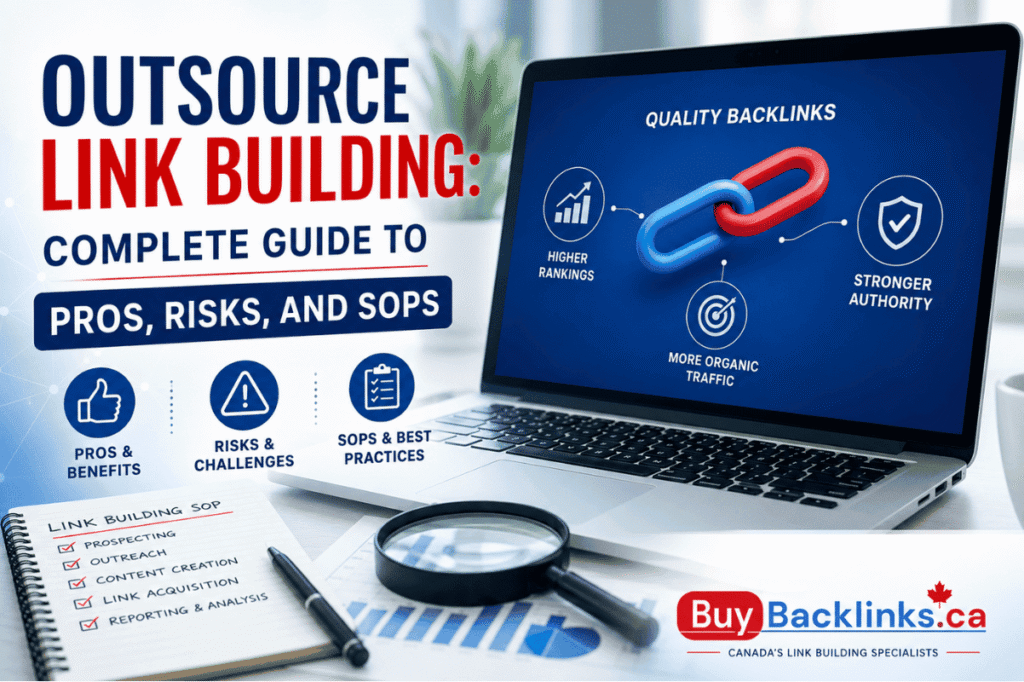
Link building remains one of the most challenging parts of SEO. Creating great content is difficult enough. Earning high-quality backlinks consistently is even harder. It takes time, outreach skills, relationship building, prospecting, follow-ups, and ongoing quality control. That’s why many businesses eventually decide to outsource link building. But outsourcing can be a double-edged sword. Done correctly, it can accelerate rankings, increase organic traffic, and free up your team’s time. Done poorly, it can waste money, damage your website’s reputation, and even expose you to search engine penalties. This guide explains everything you need to know before you outsource link building, including the benefits, risks, selection criteria, and standard operating procedures (SOPs) that help ensure success. Why Businesses Outsource Link Building Most business owners and marketing teams understand that backlinks matter. What often surprises them is how much work goes into acquiring quality links consistently. A successful link-building campaign typically requires: Prospect research Website qualification Outreach campaigns Relationship management Content creation Guest posting Digital PR efforts Link monitoring Reporting and analysis For many organizations, building an internal team capable of handling all these responsibilities isn’t practical. Outsourcing allows businesses to access specialized expertise without the costs associated with hiring, training, and managing a dedicated in-house team. Common Reasons Companies Outsource Limited Internal Resources Marketing teams are often stretched thin. Outsourcing allows internal staff to focus on strategy, content, product development, or customer acquisition while specialists handle link acquisition. Faster Scalability An experienced agency or provider already has established systems, outreach processes, and publisher relationships. This can significantly reduce the time required to launch campaigns. Access to Expertise Link building continues to evolve. Experienced specialists understand current best practices, outreach strategies, and quality evaluation methods that many businesses lack internally. Predictable Processes A professional provider typically delivers structured reporting, documented workflows, and measurable KPIs. The Benefits of Outsourcing Link Building When managed properly, outsourcing can provide several advantages. Improved Efficiency Building backlinks manually can consume dozens of hours each month. Outsourcing shifts that workload to specialists while your team focuses on higher-value activities. Better Link Opportunities Established providers often have access to broader publisher networks, industry relationships, and outreach systems that can uncover opportunities difficult to find independently. Cost Savings Hiring and managing an in-house link-building team can be expensive. Outsourcing often provides access to experienced professionals at a lower overall cost. Consistent Campaign Execution One of the biggest challenges in SEO is maintaining consistency. Outsourced teams can often sustain outreach and acquisition efforts month after month without interruptions. The Risks of Outsourcing Link Building While outsourcing offers significant advantages, it also introduces risks. Understanding these risks is essential before selecting a provider. Low-Quality Backlinks Not all backlinks provide value. Some providers prioritize quantity over quality and build links on: Spammy websites Private blog networks (PBNs) Irrelevant websites Low-authority directories Automated link farms These links rarely contribute to long-term SEO success. Lack of Transparency If a provider cannot clearly explain where links come from, how outreach works, or what quality standards they follow, that’s a warning sign. Transparency should be a non-negotiable requirement. Overpromising Results Be cautious of claims such as: Guaranteed rankings Hundreds of links per month Instant SEO results Guaranteed first-page positions SEO outcomes depend on many variables beyond backlinks alone. Brand Reputation Risks Poor outreach practices can damage your company’s reputation. Aggressive, irrelevant, or spam-like outreach emails can reflect poorly on your brand and reduce future partnership opportunities. How to Choose the Right Link Building Partner Not all providers operate the same way. Before you outsource link building, evaluate potential partners carefully. Review Their Process Ask detailed questions about: Prospecting methods Outreach strategies Quality control procedures Link qualification criteria Reporting practices A reputable provider should have documented processes. Evaluate Link Quality Focus on factors such as: Topical relevance Organic traffic Editorial standards Website quality Audience alignment Avoid selecting providers based solely on domain metrics. Request Samples Ask for examples of previously acquired links. Review: Website quality Content relevance Editorial placement Anchor text usage Samples often reveal far more than sales presentations. Assess Communication Successful outsourcing depends heavily on communication. Look for providers that: Respond promptly Explain strategies clearly Provide realistic expectations Offer regular reporting Essential SOPs for Outsourced Link Building One mistake many businesses make is hiring a provider without establishing operational guidelines. Strong SOPs create consistency and reduce risk. SOP 1: Define Link Quality Standards Document minimum requirements before campaigns begin. For example: Relevant industry websites only Genuine editorial placements Indexed websites Organic traffic requirements No spam networks No automated placements Having clear standards prevents misunderstandings later. SOP 2: Create an Approval Workflow Determine whether links require approval before placement. Some businesses prefer: Pre-approved prospect lists Monthly opportunity reviews Final placement approval This helps maintain quality control. SOP 3: Establish Anchor Text Guidelines Over-optimized anchor text can create SEO risks. Create a framework that includes: Branded anchors Generic anchors Partial-match anchors Natural contextual anchors Avoid excessive exact-match keyword targeting. SOP 4: Standardize Reporting Require monthly reports containing: New links acquired Target URLs Anchor text Domain information Traffic estimates Campaign insights Consistent reporting makes performance easier to evaluate. SOP 5: Link Monitoring Process Links can disappear over time. Implement a process for: Tracking active links Monitoring removals Verifying indexation Identifying replacements when necessary SOP 6: Performance Reviews Schedule quarterly reviews that assess: Link quality Organic traffic trends Ranking improvements Conversion impact ROI indicators Regular reviews help refine strategy over time. In-House vs. Outsourced Link Building Many businesses wonder whether they should build links internally or outsource. The answer depends on resources, expertise, and goals. In-House May Be Better If: You have experienced SEO staff You require full operational control Your industry requires specialized expertise You have sufficient budget and time Outsourcing May Be Better If: Your team lacks link-building expertise You need faster execution You want predictable processes Internal resources are limited SEO growth is a priority Many successful organizations ultimately adopt a hybrid approach, combining internal strategy with external execution. Red Flags to Avoid When You Outsource