
Domain Authority Metrics Explained: What Authority Score Actually Means

When you invest time or money in link building, one question naturally comes up: How do you know whether those backlinks are actually helping your website? This is where authority metrics enter the conversation.You may have seen websites described as having a high Domain Authority score, or you may have used a domain authority checker to compare potential backlink opportunities. These metrics can be useful, but they are often misunderstood.A high authority score does not automatically mean a website will rank higher, and a low score does not necessarily mean a website is worthless.The important thing is understanding what these metrics measure, what they can tell you about a website, and how to use them as part of a broader SEO evaluation. What Is Domain Authority? Domain Authority, commonly abbreviated as DA, is a website authority metric developed by Moz.It is designed to estimate how likely a domain is to perform in search engine results compared with other domains.The score is generally presented on a scale from 1 to 100. A higher score indicates stronger predicted ranking ability according to the metric’s underlying model. However, there is an important distinction: Domain Authority is not a Google ranking factor.Google does not use Moz’s DA score when deciding where a page should rank.Instead, DA is an SEO industry metric that can help marketers compare websites and evaluate potential link-building opportunities. How Does a Domain Authority Checker Work? A domain authority checker typically analyses information about a website’s backlink profile and other signals used by the tool’s proprietary algorithm.Different SEO platforms may calculate authority differently.For example, one tool might provide Domain Authority, while another provides a different metric such as Domain Rating or Authority Score.These numbers should not be treated as interchangeable.If you compare two websites, it is best to use the same SEO platform and metric for both. Otherwise, you may be comparing completely different scoring systems. What Does Domain Authority Actually Tell You? A DA score can provide a general indication of a domain’s relative authority within an SEO tool’s database. It can be useful when: Comparing potential link opportunities Reviewing competitors Evaluating your website’s backlink profile Identifying stronger or weaker domains Tracking broad changes in link authority over time But DA should never be the only factor in your decision.A website with a DA of 70 is not automatically a better backlink opportunity than a website with a DA of 40. Why? Because relevance, traffic, editorial quality, and the actual page providing the link can matter greatly. DA Checker Results Need Context Suppose you’re considering two websites for a backlink. Website A DA: 65 Completely unrelated industry Little relevant content Poor user experience Questionable outbound links Website B DA: 42 Closely related industry Useful original content Real audience Strong editorial standards Website B may be the more sensible opportunity even though its DA is lower.This is why using a DA checker should be the beginning of your evaluation, not the end. What Is a Good Domain Authority Score? There is no universal DA number that qualifies as “good.” A score should be considered in context.A new website may naturally have a relatively low authority score. An established publication or major business website may have a much higher score. Instead of asking: “Is DA 50 good?” Ask: “How does this website compare with other relevant websites in this industry?” Competitive analysis provides much more useful information than judging a score in isolation. Domain Authority vs Page Authority Domain Authority evaluates the strength of an entire domain, while Page Authority focuses on the predicted ranking strength of an individual page.This distinction matters for link building. Imagine a website with strong overall authority. You may still want to examine the specific page where your link would appear. Ask: Is the page relevant to your topic? Does the page receive organic traffic? Is it indexed? Does it have useful content? Does it link naturally to related resources? A strong domain does not guarantee that every page on that domain is equally valuable. Domain Authority and Backlinks Backlinks are a major part of how authority metrics are constructed.When reputable websites link to your content, those links can contribute to your site’s overall authority profile.But successful link building is not simply a numbers game. You should consider: Relevance Does the linking website operate in a related industry or cover a related topic? Quality Is the website genuinely useful and professionally maintained? Editorial Value Does the link make sense within the surrounding content? Traffic Does the website appear to attract real visitors? Link Profile Does the site have a natural backlink profile, or does it appear to exist primarily for selling links? These factors can provide more insight than a single authority score. How to Measure Link Building Success If you’re measuring link-building performance, don’t rely only on changes in DA. Track a combination of metrics, such as: Organic search traffic Keyword rankings Referring domains Relevant backlinks earned Referral traffic Leads and conversions Indexed pages Visibility for target keywords For example, if your website gains several relevant backlinks and later starts receiving more qualified organic traffic for target topics, that provides more meaningful evidence than simply seeing an authority score increase.SEO performance should ultimately connect to business outcomes. Common Mistakes When Using Authority Metrics Authority metrics are useful, but they can easily be misused. Chasing High DA at Any Cost Buying a backlink solely because a website has a high score can lead to poor decisions. Ignoring Relevance A high-authority website in an unrelated industry may not provide the same strategic value as a relevant publication. Treating DA as a Google Metric DA is a third-party SEO metric. It should never be presented as Google’s own ranking score. Comparing Different Tools DA, Domain Rating, and other authority metrics use different methodologies. Don’t assume a score from one platform is directly equivalent to another. Measuring Only the Score A higher DA does not automatically mean more customers, leads, or revenue. How to Use a Domain Authority Checker
White Hat Link Building: 12 Ethical Tactics That Actually Work in 2026
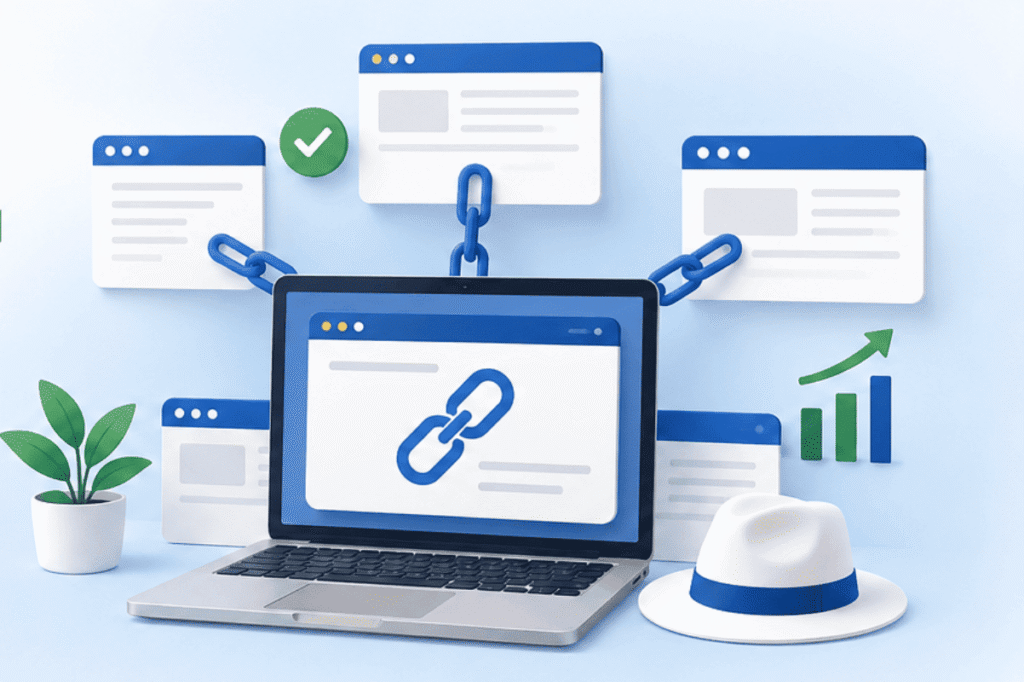
Search engines are smarter than ever. The days of ranking a website by collecting hundreds of low-quality backlinks, submitting to random directories, or using questionable shortcuts are long gone. Today, sustainable SEO growth comes from earning links that make sense. That is where white hat link building comes in. Instead of trying to manipulate search rankings, ethical link building focuses on creating value, building relationships, and earning mentions from websites that genuinely trust your content. For businesses competing online in 2026, backlinks still play an important role in improving visibility, building authority, and attracting qualified traffic. But the quality of those links matters far more than the quantity. This guide explains 12 practical white hat link building tactics that can help websites grow safely while building long-term SEO strength. What Is White Hat Link Building? White hat link building refers to ethical SEO practices used to earn backlinks naturally from other websites. These methods follow search engine guidelines and focus on creating valuable content, improving online relationships, and becoming a trusted source in your industry. A backlink is essentially a recommendation. When another website links to your page, it signals that your content provides useful information. However, not every backlink has the same impact. A link from a relevant, respected website can help strengthen your authority. A link from an unrelated or spammy website may provide little value and could create SEO risks. The goal of white hat link building is simple: Create something worth linking to, then build genuine opportunities for others to discover it. Why White Hat Link Building Matters in 2026 SEO continues to evolve, but one principle remains consistent: search engines want to show users the most trustworthy and helpful results. Ethical link building helps businesses by: Increasing website authority Improving search visibility Driving referral traffic Building brand credibility Creating long-term SEO value3 Many websites fail with link building because they focus only on getting links. Successful campaigns focus on earning the right links. 12 White Hat Link Building Tactics That Actually Work Create Link-Worthy Content The foundation of effective link building is valuable content. Other websites are more likely to link to resources that help their audience. This can include: Detailed guides Industry research Original insights Tutorials Checklists Tools and templates Expert roundups For example, a marketing agency might create a complete SEO checklist for small businesses. A business blog, consultant, or educational website may naturally reference that resource. Great content gives people a reason to link. Publish Original Research and Data Original information is highly valuable because websites cannot find it anywhere else. Examples include: Surveys Industry reports Customer insights Data analysis Market observations When journalists, bloggers, and industry professionals need supporting information, they often link to the original source. Even smaller businesses can create useful research by analyzing their own industry trends or customer experiences. Use Digital PR Strategies Digital PR combines public relations with SEO. Instead of simply asking for links, businesses create stories that people want to share. Examples: Expert commentary on industry news Company announcements Unique campaigns Helpful expert opinions A successful digital PR approach can earn mentions from authoritative websites while increasing brand awareness. Build Relationships With Industry Websites Link building works better when it is relationship-driven. Start by connecting with: Industry bloggers Business owners Publishers Community leaders Professional organizations Engage with their content before asking for anything. Share useful information, participate in discussions, and create genuine connections. Strong relationships often lead to natural collaboration opportunities. Guest Posting on Relevant Websites Guest posting can still be effective when done correctly. The goal is not publishing articles everywhere. The goal is contributing valuable content to websites that are relevant to your audience. Good guest posting practices include: Choosing relevant websites Writing high-quality content Avoiding spammy link placements Providing real value to readers A useful guest article should help the audience first and support SEO second. Create Helpful Resource Pages Many websites maintain resource pages that recommend useful tools, guides, and references. You can earn links by creating something worth including. Examples: Industry guides Free tools Educational resources Comprehensive tutorials After creating the resource, you can reach out to relevant websites and explain why it may help their audience. Recover Unlinked Brand Mentions Sometimes websites mention your business but do not link to your website. These are missed opportunities. You can monitor mentions of your: Brand name Products Services Key people When you find a relevant mention, a polite outreach message can request that the mention becomes a clickable link. This works because the website already knows your brand. Improve Existing Content Not every link-building opportunity requires creating something new. Updating existing content can make it more valuable and more link-worthy. Consider improving: Outdated information Weak explanations Missing examples Poor formatting Old statistics Better content has a stronger chance of earning references from other websites. Create Visual Assets Visual content is highly shareable. Examples include: Infographics Charts Diagrams Original illustrations Data visuals When another website uses your visual, they may link back to your original page as the source. The key is creating visuals that simplify information. Participate in Industry Communities Online communities can help build visibility and authority when approached correctly. Examples include: Professional forums Industry groups Business communities The mistake many businesses make is joining communities only to drop links. Instead: Answer questions Share expertise Help others Contribute valuable information Links often follow naturally when people recognize your expertise. Use Broken Link Building Broken link building involves finding outdated links on relevant websites and suggesting your content as a replacement. The process: Find resource pages in your industry Identify broken links Create or identify useful replacement content Contact the website owner This strategy helps both sides: you earn a backlink, and the website improves its user experience. Work With Ethical Link Building Partners Building quality backlinks takes time, research, and consistent effort. Some businesses choose to work with experienced link building providers to support their SEO strategy. The important thing is choosing a partner that focuses on: Relevant
How to Build Backlinks for Ecommerce: A Complete Guide for Product Pages

Running an online store involves much more than listing products and waiting for customers to arrive. Competition in ecommerce is intense, and search engines play a major role in determining which stores get visibility. One of the strongest signals search engines use to evaluate credibility is backlinks. Links from other websites help establish trust, authority, and relevance. When a store earns strong links, product pages have a better chance of appearing higher in search results. Many store owners focus heavily on product descriptions and technical optimization but overlook link building. The result is well-designed product pages that struggle to gain visibility. Understanding how to build backlinks for ecommerce can help bridge that gap and strengthen the authority of product pages across an online store. Why Backlinks Matter for Ecommerce Stores Backlinks act as endorsements from other websites. When credible sites link to your pages, search engines interpret those links as signals that your content or products are valuable. For ecommerce businesses, strong backlinks can help: improve product page rankings increase organic traffic build brand credibility drive referral traffic from other websites strengthen overall domain authority Unlike blogs or informational websites, ecommerce stores often face challenges when earning links because product pages are primarily transactional. This means a more strategic approach is required. The Challenge of Building Links to Product Pages Many websites hesitate to link directly to product pages because they appear promotional. Blog articles, guides, and research content attract links more easily since they provide educational value. This does not mean product pages cannot earn links. It simply means link building for ecommerce requires creativity and a structured strategy. Successful ecommerce link building often combines product promotion, content marketing, and partnerships. Create Linkable Content Around Products One of the most effective ways to earn links for a store is to publish valuable content related to the products you sell. For example, instead of linking directly to a product page, other websites may link to helpful resources such as: buying guides comparison articles product tutorials industry insights educational blog posts These types of pages attract links naturally and can internally link to product pages within your site. Over time, authority flows from these pages to your product listings. Use Product Roundups and Reviews Product roundups are common in many industries. Bloggers and media websites frequently publish lists of recommended products. Examples include: best products in a category expert picks for specific needs seasonal buying guides Reaching out to websites that publish these types of articles can help your products get featured. When a product is included in a roundup, it often receives a direct link to the product page. Collaborate with Influencers and Content Creators Influencers and niche content creators can be valuable partners for ecommerce brands. Product reviews, demonstrations, and tutorials often include links to product pages. These collaborations provide multiple benefits: visibility among targeted audiences authentic product recommendations backlinks from blog posts or review pages Even smaller creators within a niche can generate meaningful traffic and links. Leverage Supplier and Manufacturer Links If your store sells products from manufacturers or suppliers, check whether those companies maintain partner or retailer directories. Many manufacturers list authorized sellers on their websites. These listings often include links to the retailer’s website or product pages. While these links may seem simple, they can contribute to overall authority and trust. Build Relationships With Industry Publications Industry websites, magazines, and niche blogs frequently publish product features or brand spotlights. Building relationships with editors and content creators can lead to valuable mentions and links. Possible opportunities include: product launches expert commentary guest articles industry insights These placements can bring both backlinks and brand exposure. Utilize Resource Pages and Buying Guides Some websites maintain resource sections that recommend tools, services, or products related to a specific topic. If your products provide genuine value to a specific audience, they may qualify for inclusion. Examples include: professional tools for specific industries recommended equipment lists curated product resources These links are often highly relevant because they appear within content that already discusses related topics. Encourage Customer Reviews and Mentions Customers who enjoy a product sometimes write blog posts or social media reviews about their experience. Encouraging authentic reviews can occasionally result in backlinks. Ways to support this include: offering samples to bloggers creating affiliate programs encouraging user generated content These mentions may generate organic links that strengthen credibility. Strengthen Internal Linking Internal linking plays an important supporting role in ecommerce SEO. Blog posts, guides, and category pages can link to product pages naturally. This helps search engines understand the relationship between different parts of your site and allows authority to flow through the structure. Clear navigation and contextual internal links can significantly improve visibility for product listings. Avoid Common Link Building Mistakes While backlinks are valuable, not every link strategy is safe or effective. Some common mistakes include: Focusing Only on Quantity A large number of low quality links rarely produces strong results. Relevance and authority matter far more. Ignoring Content Value Websites are unlikely to link to pages that provide little value beyond selling a product. Using Spammy Tactics Automated link building and low quality directories can harm credibility instead of helping it. A careful and ethical approach is always the best option. The Importance of Consistent Link Growth Backlink building works best when approached as a long term strategy. A steady flow of high quality links signals natural growth to search engines. Consistency also helps strengthen domain authority over time, making it easier for new pages and products to rank. Many ecommerce businesses choose to combine in house marketing efforts with professional services such as BuyBacklinks.ca to help secure relevant placements and strengthen their link profiles. Backlinks remain one of the strongest signals search engines use to evaluate trust and authority. For ecommerce stores, building links requires creativity because product pages are inherently transactional. By combining content creation, partnerships, product features, and strong internal linking, online stores can earn valuable backlinks that support long term search visibility.
EDU Backlinks: How to Get Links from Educational Websites That Actually Pass Authority

Backlinks remain one of the most important ranking factors in SEO. But not all backlinks carry the same weight. Some links can move your rankings significantly, while others barely make an impact. Among the most discussed types are EDU backlinks links from websites that use the .edu domain, typically belonging to universities, colleges, and educational institutions. Because these sites often have high authority and strong trust signals, many SEO professionals consider them extremely valuable. But here’s the truth: getting real EDU backlinks isn’t easy, and many strategies you see online simply don’t work anymore. In this guide, we’ll explain: What EDU backlinks actually are Why search engines value them The myths surrounding EDU links Legitimate ways to earn them How an edu backlinks service can help businesses secure high-quality placements Let’s start with the basics. What Are EDU Backlinks? EDU backlinks are links pointing to your website from domains that end with .edu. These domains are typically owned by: Universities Colleges Research institutions Educational departments Academic organizations Because educational institutions maintain strict publishing standards and tend to have strong domain authority, links from these websites are often considered highly trustworthy. However, it’s important to understand that Google does not rank .edu domains higher simply because of the extension. Instead, these links are powerful because educational sites usually have: strong authority quality content natural backlink profiles long domain histories So when an educational site links to you, it can send strong trust signals. Why EDU Backlinks Are Valuable for SEO Many SEO professionals actively seek EDU backlinks because they can provide several benefits. High Domain Authority Educational websites often have powerful domains that have existed for many years. This means backlinks from them can pass significant authority. Strong Trust Signals Search engines generally view educational institutions as credible sources. A backlink from such a site can improve your website’s trust profile. Powerful Link Equity Links from authoritative pages can help transfer link equity to your site, helping pages rank higher. Improved Brand Credibility Being referenced by an educational website can also enhance your brand reputation. Visitors may view your site as more trustworthy when they see references from respected institutions. The Biggest Myths About EDU Backlinks Many beginners misunderstand how EDU links work. Let’s clear up some common misconceptions. Myth 1: All EDU Links Are Automatically Powerful Not every .edu link carries strong authority. If a link comes from a low-quality page with little traffic or relevance, its impact may be minimal. What matters most is the quality of the linking page, not just the domain extension. Myth 2: EDU Links Are Easy to Get Many outdated guides suggest tricks like: profile links forum signatures comment links These tactics rarely work today and can even look spammy. Myth 3: One EDU Link Will Skyrocket Rankings Even strong backlinks rarely transform rankings overnight. SEO works best when multiple signals combine, including: quality content technical SEO consistent link building Legitimate Ways to Get EDU Backlinks Earning links from educational websites requires creativity, value, and persistence. Here are several legitimate strategies. 1. Scholarship Programs Many businesses create scholarship programs for students. Universities often list these opportunities on scholarship resource pages, sometimes linking to the sponsoring company. However, this strategy requires real funding and careful planning. Google has also become cautious about spammy scholarship campaigns used purely for link building. 2. Academic Resource Contributions Educational institutions often maintain resource pages for students and researchers. If your website offers useful tools, guides, or data, it may qualify as a helpful reference. Examples include: industry reports research data educational guides professional resources 3. Guest Lectures or Academic Collaboration Businesses sometimes collaborate with universities through: webinars guest lectures research contributions These collaborations can lead to mentions or links on university websites. 4. Sponsoring Educational Events Some universities link to sponsors of conferences, events, or educational programs. While this approach requires real involvement, it can generate high-quality mentions. 5. Broken Link Building This strategy involves identifying broken links on university resource pages. If you have content that could replace the missing resource, you can suggest your page as a replacement. This method can benefit both sides: the university fixes a broken link you gain a valuable backlink Challenges of Getting EDU Backlinks While EDU backlinks can be powerful, they are also difficult to obtain. Here are some common challenges. Strict Editorial Control Many university websites have strict publishing guidelines and limited external linking policies. Long Approval Processes Academic institutions often move slowly, making outreach campaigns time-consuming. Limited Outreach Opportunities Not every business naturally fits into academic content. This means link opportunities may be rare. How an EDU Backlinks Service Can Help Because acquiring educational links can be complex, some businesses use a professional edu backlinks service. These services focus on: identifying legitimate educational opportunities building relationships with academic websites securing contextual backlinks in relevant content When done properly, this approach ensures: high-quality placements safe link building practices long-term SEO value Businesses looking to strengthen their backlink profile often rely on experienced providers like BuyBacklinks.ca, which focuses on acquiring relevant, authority-driven backlinks. What Makes a Good EDU Backlink? Not every educational link will benefit your SEO equally. The strongest EDU backlinks usually have several characteristics. Relevance The linking page should relate to your topic or industry. For example, a marketing resource linking to a digital marketing guide is more valuable than an unrelated page. Contextual Placement Links placed naturally within content tend to carry more authority than sidebar or directory links. Strong Linking Page Authority A link from a well-linked page will pass more value. Natural Anchor Text Anchor text should look natural and varied rather than keyword-stuffed. Best Practices for EDU Link Building If you plan to pursue EDU backlinks, follow these guidelines. Focus on Value Educational websites link to content that genuinely helps their students or researchers. Create resources worth referencing. Avoid Spam Tactics Shortcuts like automated submissions or fake accounts can damage your reputation. Combine with Broader Link Building EDU backlinks should be part of a
What Is Netlinking in SEO? A Beginner’s Guide to Link Building Strategies
If you’ve been learning about SEO, you’ve probably heard the term netlinking. But what does it actually mean? Many beginners confuse netlinking with backlinks, outreach, or even internal linking. While those concepts are related, netlinking has a broader role in SEO strategy. Understanding the netlinking SEO definition is essential if you want your website to rank higher on Google, attract organic traffic, and compete with established websites. In this beginner-friendly guide, we’ll break down: What netlinking really means in SEO Why search engines rely heavily on links The most effective link building strategies Common mistakes beginners make Best practices to build authority safely By the end, you’ll understand how netlinking fits into a modern SEO strategy and how to start building a strong link profile. Netlinking SEO Definition The netlinking SEO definition refers to the process of acquiring hyperlinks from other websites that point to your website in order to improve search engine rankings and authority. These hyperlinks are commonly known as backlinks. In simple terms: Netlinking = the strategy of building backlinks to increase a website’s credibility and visibility in search engines. Search engines like Google use links as signals of trust. When another website links to your content, it acts like a recommendation. The more relevant and authoritative websites linking to you, the more trustworthy your site appears. However, not all links are equal and this is where strategy matters. Why Netlinking Is Important for SEO Backlinks have been a core ranking factor since the early days of Google. Although SEO has evolved significantly, links still play a crucial role in determining which websites appear on the first page of search results. Here are the main reasons netlinking matters. It Builds Website Authority Search engines evaluate how trustworthy a website is. When reputable sites link to you, it signals that your content is valuable and credible. This helps increase your site’s authority and improves its ability to rank for competitive keywords. It Helps Search Engines Discover Your Pages Search engine bots crawl the internet by following links. When your website receives backlinks, it becomes easier for search engines to: Discover new pages Crawl your content Index your website faster Without links, some pages may remain invisible to search engines. It Improves Search Rankings Backlinks remain one of the strongest ranking signals. In competitive industries, the difference between page 1 and page 3 often comes down to the strength of a website’s backlink profile. Even high-quality content struggles to rank without link authority. It Drives Referral Traffic Netlinking doesn’t just help SEO it can also generate direct traffic. When your site is linked on relevant blogs, news websites, or industry resources, visitors may click those links and discover your business. This traffic is often highly targeted and engaged. Types of Links in Netlinking To understand link building strategies, it’s important to know the different types of links used in SEO. Backlinks (Inbound Links) Backlinks are links from other websites pointing to your site. These are the most valuable links in SEO because they increase authority and trust. Example: A marketing blog linking to your SEO guide. Internal Links Internal links connect pages within the same website. For example, linking a blog post to a service page. Internal linking helps: distribute authority across your site improve user navigation help search engines understand your content structure Outbound Links Outbound links are links from your site pointing to other websites. These links help provide references and improve content credibility. Key Link Building Strategies for Beginners Now that you understand the netlinking SEO definition, let’s explore practical ways to build links. Not all strategies are equal and some are far safer than others. Guest Blogging Guest blogging involves writing articles for other websites in your industry. In exchange, you usually receive a backlink to your website. Benefits include: gaining backlinks reaching new audiences building brand credibility However, focus on quality publications, not spammy blog networks. Content That Attracts Links One of the best long-term netlinking strategies is creating link-worthy content. Examples include: detailed guides industry statistics research studies tools and resources expert roundups High-value content naturally attracts backlinks over time. Outreach to Relevant Websites SEO professionals often reach out to website owners or editors to request backlinks. This can include: suggesting your article as a reference replacing broken links contributing expert insights Outreach works best when the content genuinely adds value. Business Directories and Citations For local businesses, directory listings are a common link source. Examples include: local business directories industry associations review platforms These links may not carry massive authority, but they help establish trust and visibility. Professional Link Building Services Building high-quality links manually takes time and experience. Many businesses work with specialized providers like BuyBacklinks.ca to secure relevant, high-authority backlinks from trusted websites. When done correctly, professional link building can: accelerate SEO growth improve rankings faster strengthen domain authority The key is focusing on quality, relevance, and natural placement. Common Netlinking Mistakes to Avoid Beginners often make mistakes that harm SEO instead of improving it. Here are the most common issues. Buying Spam Links Cheap link packages from low-quality sites can damage rankings. Google’s algorithms are increasingly good at detecting unnatural link patterns. Focusing Only on Quantity Having 500 weak links is far less valuable than having 20 strong ones. Always prioritize quality over volume. Ignoring Relevance A backlink from a website related to your industry is far more powerful than one from an unrelated niche. Relevance signals credibility. Using Over-Optimized Anchor Text Anchor text is the clickable text used in a link. Using the same keyword repeatedly can appear manipulative and trigger penalties. Natural anchor text variation is important. Best Practices for Safe Netlinking If you want long-term SEO success, follow these principles. Focus on Authority Links from trusted websites carry far more value than unknown or low-quality domains. Maintain Link Diversity A natural backlink profile includes: blog links news mentions directories niche sites guest posts Variety makes your link profile appear organic. Build Links Gradually Sudden spikes