
Black Hat Link Building: 15 Tactics That Will Get Your Site Penalized
Backlinks remain one of the most influential factors in search engine optimization. When reputable websites link to your pages, it signals authority and trust to search engines. However, not all link building practices follow ethical guidelines. Some tactics attempt to manipulate rankings by creating artificial or deceptive links. These methods fall under the category of black hat link building, and while they may offer short term gains, they often lead to penalties that damage long term search visibility. Search engines have become highly sophisticated at detecting manipulation. Websites that rely on risky link schemes frequently experience ranking drops, manual actions, or even removal from search results. Understanding which tactics to avoid is essential for anyone who wants to build a sustainable SEO strategy. What Is Black Hat Link Building? Black hat link building refers to techniques that attempt to manipulate search rankings by violating search engine guidelines. These strategies typically focus on generating large numbers of artificial links rather than earning genuine recommendations from reputable websites. While these shortcuts may appear attractive, they usually carry significant risks. Search engines constantly refine their algorithms to detect unnatural link patterns, making these tactics increasingly dangerous. Why Search Engines Penalize Manipulative Links Search engines aim to deliver the most relevant and trustworthy results to users. Artificial links distort that process by falsely inflating the authority of certain pages. To protect search quality, search engines actively identify and penalize websites using manipulative tactics. Penalties may include: ranking drops loss of organic traffic deindexing of pages manual penalties applied by reviewers Recovering from these penalties can take months or even years. 15 Black Hat Link Building Tactics to Avoid Below are some of the most common risky tactics that can damage a website’s reputation and rankings. 1. Private Blog Networks Private blog networks are collections of websites created solely to link to a target site. These networks attempt to pass authority artificially, but search engines frequently detect them. 2. Automated Link Building Tools Automated software that creates thousands of links across random websites often generates low quality and irrelevant backlinks. These patterns are easy for algorithms to identify. 3. Spam Comments on Blogs Leaving links in blog comment sections without contributing meaningful discussion is considered spam. Most modern platforms automatically remove or ignore these links. 4. Forum Profile Spam Creating accounts on forums solely to place links in profile sections is another outdated tactic that provides little value. 5. Link Farms Link farms are networks of websites that exist only to link to each other. Search engines recognize these structures and usually ignore or penalize them. 6. Irrelevant Directory Submissions Submitting a website to hundreds of low quality directories that have no editorial standards can create a spammy backlink profile. 7. Paid Links Without Disclosure Buying links that pass ranking authority without proper disclosure violates search engine guidelines. Transparent advertising links should use appropriate attributes to avoid manipulation. 8. Article Spinning Article spinning involves rewriting the same content multiple times with slight variations to distribute links across different websites. This often results in low quality content. 9. Hidden Links Some websites attempt to hide links within page elements so users cannot see them. Search engines consider this deceptive. 10. Excessive Anchor Text Optimization Using the exact same keyword in anchor text across many links can appear unnatural and manipulative. A natural link profile includes diverse anchor text variations. 11. Widget Link Schemes Some widgets automatically insert backlinks when websites embed them. If the links are not editorially placed, they may violate guidelines. 12. Negative SEO Attacks In some cases, unethical marketers attempt to harm competitors by directing spam links at their websites. While search engines try to ignore such attacks, they can still create complications. 13. Low Quality Guest Posting Guest posting can be valuable when done properly. However, publishing low quality articles on spammy blogs solely for links can cause problems. 14. Reciprocal Link Exchanges Excessive link exchanges between unrelated websites can create unnatural patterns. 15. Hacked Website Links In extreme cases, attackers insert links into compromised websites without the owner’s knowledge. These links violate guidelines and can lead to serious penalties. Safer Alternatives to Risky Link Tactics Instead of relying on manipulative methods, sustainable SEO focuses on earning genuine links from relevant sources. Some safer strategies include: publishing helpful content that attracts natural links building relationships with industry websites contributing expert insights to reputable publications participating in community collaborations earning mentions through public relations efforts These approaches build trust rather than attempting to exploit algorithm weaknesses. The Importance of Ethical Link Building Ethical link building requires patience, but it produces stronger and more reliable results. A website that consistently earns links from credible sources builds long term authority that search engines trust. Many businesses choose to work with experienced providers such as BuyBacklinks.ca to develop strategies that focus on quality placements and sustainable growth. Shortcuts in SEO often come with serious consequences. While manipulative tactics may appear tempting, they usually lead to penalties that harm long term visibility. Understanding the risks associated with black hat link building helps website owners avoid costly mistakes. By focusing on ethical strategies, valuable content, and genuine partnerships, businesses can build a backlink profile that supports sustainable growth and strong search rankings. 5. FAQ Section What is the difference between black hat and white hat link building? Black hat tactics attempt to manipulate rankings through deceptive methods, while white hat strategies focus on earning links naturally and ethically. Can a website recover from a link penalty? Yes, but recovery often requires removing harmful links, submitting reconsideration requests, and rebuilding trust with search engines. Are paid backlinks always dangerous? Paid links that attempt to manipulate rankings can violate guidelines, but sponsored links that are properly disclosed are acceptable. How can I identify harmful backlinks? SEO tools can help analyze backlink profiles and identify suspicious patterns such as spam domains or unnatural anchor text. Why do some websites still use risky link tactics? Some marketers chase short term results
2019 Local Search Ranking Factors: Lessons That Still Drive Local SEO Success
Local search has become one of the most important digital channels for small and medium sized businesses. When people search for nearby services, they usually rely on search engines to find reliable options quickly. Over the years, experts have studied what influences local rankings, and one widely discussed reference was the 2019 local search ranking factors study. Even though search algorithms evolve constantly, many of the core lessons from that analysis still apply today. Understanding these lessons can help businesses improve visibility in local search results, attract nearby customers, and compete effectively within their market. This guide explores the most important insights from the 2019 study and explains how they continue to shape modern local SEO strategies. What the 2019 Local Search Ranking Factors Study Highlighted The study analyzed the elements that most strongly influence how businesses appear in local search results. These rankings often appear in the map pack or localized search listings. The research combined insights from experienced SEO professionals who evaluated hundreds of ranking signals. While search engines never reveal their full algorithms, these insights helped identify patterns that influence local visibility. Some of the major areas examined included: Google Business Profile signals on page website optimization backlinks and authority online reviews and ratings user behavior signals Even years later, these categories remain central to successful local SEO strategies. Google Business Profile Optimization One of the strongest insights from the study was the importance of a well optimized business profile. A complete profile helps search engines understand your business and match it with relevant local queries. Key optimization steps include: accurate business name, address, and phone number selecting the correct business categories adding high quality photos writing a clear business description maintaining updated hours of operation Consistency across all platforms helps reinforce credibility and improves the likelihood of appearing in local results. Website Optimization Still Matters Many businesses assume local rankings depend only on business listings. In reality, the website itself plays a major role. Search engines analyze your website to understand your services, location, and expertise. Important elements include: location specific landing pages clear service descriptions fast loading speed mobile friendly design structured data markup These factors help search engines connect your website with local search queries. Backlinks Remain a Key Ranking Signal Another major takeaway from the study was the role of backlinks in strengthening local authority. When reputable websites link to your business website, it signals trust and credibility. Local businesses can earn backlinks through: partnerships with community organizations sponsorships of local events mentions in local news publications industry directories collaborations with other local businesses High quality backlinks can significantly strengthen the authority of a business website and improve local rankings. Reviews and Reputation Signals Online reviews strongly influence both search visibility and customer decisions. Positive reviews show search engines that customers trust your business and have had good experiences. Best practices include: encouraging satisfied customers to leave reviews responding to feedback professionally addressing concerns quickly maintaining consistent engagement A steady stream of authentic reviews signals that a business is active and reliable. Local Citations and Consistency Citations are mentions of a business’s name, address, and phone number on other websites. These references appear in: business directories local listing websites industry portals community platforms Consistency across these listings helps search engines verify that a business is legitimate. Incorrect or outdated information can weaken trust signals and reduce local visibility. User Behavior Signals User interactions can also influence rankings. Search engines analyze signals such as: click through rates calls from business listings requests for directions website visits When users frequently engage with a listing, it suggests that the business is relevant to the search query. This can contribute to improved local visibility over time. Content That Targets Local Intent Content tailored to local audiences can also strengthen SEO performance. Businesses can publish helpful resources such as: local service guides community event coverage neighborhood specific pages location based blog posts This type of content demonstrates relevance to a geographic area and can attract both search traffic and backlinks. Building Authority for Long Term Results Local SEO success rarely comes from a single tactic. It requires a combination of consistent optimization, strong content, and reliable authority signals. Businesses that focus on long term quality often see more sustainable results. Strategic support from experienced providers such as BuyBacklinks.ca can help strengthen backlink profiles and reinforce overall authority within competitive local markets. Conclusion Although search algorithms evolve constantly, many lessons from the 2019 local search ranking factors study remain highly relevant today. Strong business profiles, optimized websites, trustworthy backlinks, and authentic customer reviews continue to influence local rankings. Businesses that invest in these fundamentals are better positioned to attract nearby customers and maintain strong visibility in search results. By focusing on consistency, credibility, and genuine customer engagement, local companies can build a long lasting foundation for digital growth. 5. FAQ Section Why are local search rankings important for businesses? Local rankings help businesses appear when nearby customers search for services or products, increasing visibility and potential leads. Do backlinks affect local SEO rankings? Yes. High quality backlinks strengthen a website’s authority, which can influence local search visibility. How important are customer reviews for local SEO? Reviews play a significant role because they influence both customer trust and search engine evaluation of a business. Does website optimization affect local search results? Yes. A well optimized website helps search engines understand your services and location, improving relevance for local searches. Can small businesses compete in local search results? Yes. By focusing on strong profiles, accurate citations, and consistent reviews, smaller businesses can compete effectively in local markets. humna
How Many Backlinks Per Day Is Safe? The Truth About Link Velocity
Backlinks remain one of the strongest signals search engines use to evaluate a website’s authority and trustworthiness. Because of this, many website owners focus heavily on building links to improve their rankings. But a common concern appears during the process. People often wonder whether building links too quickly might cause problems with search engines. Questions about how many backlinks per day are safe usually come from the fear of triggering penalties or appearing unnatural. The reality is more nuanced. Search engines do not punish websites simply for gaining links quickly. Instead, they evaluate whether the growth appears natural and whether the links come from relevant, trustworthy sources. Understanding link velocity can help you grow your backlink profile in a way that supports long term SEO success. What Is Link Velocity? Link velocity refers to the rate at which a website gains new backlinks over time. For example, if a site gains: 2 new links this week 10 links next week 20 links the following week the growth pattern represents its link velocity. Search engines use this information to understand how a website’s popularity evolves across the internet. A natural growth pattern usually reflects genuine interest in a website’s content or services. Why Link Velocity Matters Search engines constantly analyze link patterns to detect manipulation. When a website suddenly gains a large number of links from suspicious sources, it may signal an attempt to manipulate rankings. However, rapid growth is not always a negative signal. News websites, viral content, or rapidly growing brands can gain many links in a short time without any issues. What matters most is the context and quality of those links. Is There a Safe Number of Backlinks to Build Daily? There is no universal number that works for every website. The answer depends on several factors, including: the age of your website the authority of your domain your industry competition the quality of links you are acquiring For smaller or newer websites, slow and consistent growth usually appears more natural. Established websites with strong authority can often acquire links more quickly without raising concerns. Natural Link Growth vs Artificial Link Spikes Search engines expect link growth to follow patterns that resemble real popularity. Natural growth often looks like this: links gained gradually over time mentions from relevant websites links from a variety of sources Artificial spikes, on the other hand, often involve: large numbers of links appearing suddenly many links from low quality websites identical anchor text across multiple links These patterns can signal manipulation rather than genuine authority. Factors That Influence Safe Link Velocity Instead of focusing on a specific number, it is more useful to consider the overall context of your link building strategy. Website Age Older websites often have more credibility and can attract links at a faster pace without appearing suspicious. Newer websites should typically build links gradually. Domain Authority Sites with strong authority tend to receive more backlinks naturally. Because of this, higher link growth can appear normal for them. Industry Competition Highly competitive industries often require stronger and more consistent link building. Competitors may already have hundreds or thousands of backlinks. Content Quality High quality content can attract links organically. Guides, research articles, and useful resources are more likely to earn natural backlinks. Common Link Building Mistakes Many websites run into trouble because they focus on quantity rather than quality. Here are some mistakes to avoid. Buying Large Numbers of Low Quality Links Cheap link packages often come from spammy websites that provide little value. These links may harm your site instead of helping it. Using Identical Anchor Text Repeated use of the same keyword in anchor text can appear manipulative. Natural link profiles include a mix of brand names, generic terms, and contextual anchors. Ignoring Relevance Links from unrelated websites carry far less value than links from sites within the same niche. How to Build Backlinks Safely A safe link building strategy focuses on gradual growth and relevance. Here are several best practices. Focus on Quality Sources Links from trustworthy and authoritative websites provide much more value than large numbers of weak links. Maintain Consistent Growth Instead of acquiring many links in a short period, aim for steady growth over time. Consistency looks more natural to search engines. Diversify Link Sources A healthy backlink profile includes links from different types of websites such as: blogs news websites directories niche publications industry resources Create Link Worthy Content Content that solves real problems or offers valuable information tends to attract links naturally. Examples include: detailed guides research articles tutorials industry insights When Rapid Link Growth Is Normal There are situations where a website may gain many links quickly. Examples include: viral content product launches major media coverage trending topics In these cases, rapid growth can appear natural because the attention surrounding the content explains the sudden interest. The Role of Strategic Link Building Successful SEO strategies often combine organic link growth with strategic outreach and partnerships. Working with experienced providers such as BuyBacklinks.ca can help businesses secure relevant placements on trusted websites, supporting a natural and sustainable link building strategy. There is no fixed rule that defines the exact number of backlinks a website should gain each day. Instead of focusing on numbers alone, it is more important to focus on quality, relevance, and consistency. A natural link profile grows gradually and reflects genuine interest in a website’s content. By prioritizing high quality sources and avoiding manipulative tactics, websites can build authority safely while improving their visibility in search results. 5. FAQ Is it dangerous to build many backlinks quickly? Rapid link growth is not always harmful, but it can appear suspicious if the links come from low quality or unrelated websites. How long does it take for backlinks to affect rankings? Backlinks usually influence rankings gradually as search engines crawl and evaluate the linking pages. Do high quality backlinks matter more than quantity? Yes. A small number of strong backlinks can have a greater impact than many
How to Build Backlinks for Ecommerce: A Complete Guide for Product Pages

Running an online store involves much more than listing products and waiting for customers to arrive. Competition in ecommerce is intense, and search engines play a major role in determining which stores get visibility. One of the strongest signals search engines use to evaluate credibility is backlinks. Links from other websites help establish trust, authority, and relevance. When a store earns strong links, product pages have a better chance of appearing higher in search results. Many store owners focus heavily on product descriptions and technical optimization but overlook link building. The result is well-designed product pages that struggle to gain visibility. Understanding how to build backlinks for ecommerce can help bridge that gap and strengthen the authority of product pages across an online store. Why Backlinks Matter for Ecommerce Stores Backlinks act as endorsements from other websites. When credible sites link to your pages, search engines interpret those links as signals that your content or products are valuable. For ecommerce businesses, strong backlinks can help: improve product page rankings increase organic traffic build brand credibility drive referral traffic from other websites strengthen overall domain authority Unlike blogs or informational websites, ecommerce stores often face challenges when earning links because product pages are primarily transactional. This means a more strategic approach is required. The Challenge of Building Links to Product Pages Many websites hesitate to link directly to product pages because they appear promotional. Blog articles, guides, and research content attract links more easily since they provide educational value. This does not mean product pages cannot earn links. It simply means link building for ecommerce requires creativity and a structured strategy. Successful ecommerce link building often combines product promotion, content marketing, and partnerships. Create Linkable Content Around Products One of the most effective ways to earn links for a store is to publish valuable content related to the products you sell. For example, instead of linking directly to a product page, other websites may link to helpful resources such as: buying guides comparison articles product tutorials industry insights educational blog posts These types of pages attract links naturally and can internally link to product pages within your site. Over time, authority flows from these pages to your product listings. Use Product Roundups and Reviews Product roundups are common in many industries. Bloggers and media websites frequently publish lists of recommended products. Examples include: best products in a category expert picks for specific needs seasonal buying guides Reaching out to websites that publish these types of articles can help your products get featured. When a product is included in a roundup, it often receives a direct link to the product page. Collaborate with Influencers and Content Creators Influencers and niche content creators can be valuable partners for ecommerce brands. Product reviews, demonstrations, and tutorials often include links to product pages. These collaborations provide multiple benefits: visibility among targeted audiences authentic product recommendations backlinks from blog posts or review pages Even smaller creators within a niche can generate meaningful traffic and links. Leverage Supplier and Manufacturer Links If your store sells products from manufacturers or suppliers, check whether those companies maintain partner or retailer directories. Many manufacturers list authorized sellers on their websites. These listings often include links to the retailer’s website or product pages. While these links may seem simple, they can contribute to overall authority and trust. Build Relationships With Industry Publications Industry websites, magazines, and niche blogs frequently publish product features or brand spotlights. Building relationships with editors and content creators can lead to valuable mentions and links. Possible opportunities include: product launches expert commentary guest articles industry insights These placements can bring both backlinks and brand exposure. Utilize Resource Pages and Buying Guides Some websites maintain resource sections that recommend tools, services, or products related to a specific topic. If your products provide genuine value to a specific audience, they may qualify for inclusion. Examples include: professional tools for specific industries recommended equipment lists curated product resources These links are often highly relevant because they appear within content that already discusses related topics. Encourage Customer Reviews and Mentions Customers who enjoy a product sometimes write blog posts or social media reviews about their experience. Encouraging authentic reviews can occasionally result in backlinks. Ways to support this include: offering samples to bloggers creating affiliate programs encouraging user generated content These mentions may generate organic links that strengthen credibility. Strengthen Internal Linking Internal linking plays an important supporting role in ecommerce SEO. Blog posts, guides, and category pages can link to product pages naturally. This helps search engines understand the relationship between different parts of your site and allows authority to flow through the structure. Clear navigation and contextual internal links can significantly improve visibility for product listings. Avoid Common Link Building Mistakes While backlinks are valuable, not every link strategy is safe or effective. Some common mistakes include: Focusing Only on Quantity A large number of low quality links rarely produces strong results. Relevance and authority matter far more. Ignoring Content Value Websites are unlikely to link to pages that provide little value beyond selling a product. Using Spammy Tactics Automated link building and low quality directories can harm credibility instead of helping it. A careful and ethical approach is always the best option. The Importance of Consistent Link Growth Backlink building works best when approached as a long term strategy. A steady flow of high quality links signals natural growth to search engines. Consistency also helps strengthen domain authority over time, making it easier for new pages and products to rank. Many ecommerce businesses choose to combine in house marketing efforts with professional services such as BuyBacklinks.ca to help secure relevant placements and strengthen their link profiles. Backlinks remain one of the strongest signals search engines use to evaluate trust and authority. For ecommerce stores, building links requires creativity because product pages are inherently transactional. By combining content creation, partnerships, product features, and strong internal linking, online stores can earn valuable backlinks that support long term search visibility.
Google Ranking Factors 2019: What We Learned and What Still Applies in 2026
SEO never stands still. Algorithms evolve, user behavior shifts, and new technologies reshape how search engines rank websites. Yet, despite all these changes, many of the core principles from earlier years still hold strong today. If you understand what worked in the past and why you can build a strategy that performs not just now, but long-term. In this guide, we’ll explore what defined search rankings back then, what still matters today, and how to apply those lessons effectively in 2026. A Look Back: The SEO Landscape in 2019 By that time, search engines had already moved beyond basic keyword matching. The focus had shifted toward: understanding user intent rewarding high-quality content evaluating authority through links improving user experience This marked a transition from “optimization tricks” to genuine value-driven SEO. Key Ranking Factors That Defined That Era Several factors stood out as major contributors to search visibility. 1. Backlinks as Authority Signals Links from other websites were among the strongest indicators of credibility. However, the focus had already begun shifting toward: relevance over volume editorial placements over artificial links natural link profiles Websites with strong, clean backlink profiles consistently outperformed others. 2. Content Quality and Depth Search engines rewarded content that: answered questions clearly provided in-depth explanations avoided duplication delivered real value Thin or low-effort pages struggled to rank, even then. 3. Smart Keyword Usage Keyword stuffing had already lost effectiveness. Instead, success depended on: natural language semantic variations topic-focused writing This shift laid the foundation for modern content strategies. 4. Mobile Optimization Mobile-first indexing had become the standard. Websites that didn’t perform well on mobile devices experienced ranking drops and reduced visibility. 5. Page Speed Faster websites offered better user experiences, making speed an important ranking factor. 6. User Interaction Signals Search engines began analyzing how users interacted with content, including: time spent on page engagement levels click-through behavior These signals helped determine content usefulness. What Still Matters in 2026 Many of these principles are still relevant today but expectations have increased significantly. 1. Backlinks Remain a Core Ranking Factor Links still play a major role in determining authority. What’s different now is the level of quality required. Search engines evaluate: topical relevance placement within content trustworthiness of the linking site natural growth patterns Low-quality links are no longer effective and can even harm performance. 2. Content Must Be Truly Helpful Content standards have risen dramatically. Today, high-performing content must: fully answer the user’s query demonstrate real understanding be easy to read and well-structured provide practical value Surface-level content rarely competes in search results anymore. 3. Search Intent Is Critical Matching user intent is no longer optional. Content must align with what users expect when they search, whether they are: learning something comparing options looking to take action Misaligned content struggles to rank, regardless of quality. 4. Technical SEO Still Provides the Foundation Even the best content needs a strong technical base. Important elements include: fast loading times mobile responsiveness proper indexing clean internal linking Without these, visibility can be limited. 5. User Experience Continues to Influence Rankings While not always directly measurable, overall user experience matters. This includes: readability navigation layout clarity content structure A better experience often leads to stronger engagement and improved performance. What Has Changed Since Then While the fundamentals remain, several major developments have reshaped SEO. 1. Advanced AI Evaluation Search engines now use sophisticated systems to understand content quality. This makes it easier to detect: shallow content keyword manipulation low-value pages Authenticity and depth are more important than ever. 2. Greater Emphasis on Trust and Credibility Modern SEO places more importance on: expertise real-world experience brand reputation trust signals This is especially important in competitive industries. 3. Stronger Focus on Link Quality Link building has become more selective. A few high-quality links can outperform a large number of weak ones. 4. Topical Authority Over Isolated Content Ranking well now often requires covering a subject in depth. Instead of single articles, successful websites build: content clusters related topic coverage interconnected pages This demonstrates expertise and improves overall visibility. Common Mistakes That Still Hold Websites Back Even with all the available knowledge, many strategies fail due to avoidable mistakes. Relying on Outdated Tactics Shortcuts and manipulative techniques rarely work long-term. Ignoring Link Building Content alone is often not enough in competitive spaces. Publishing Without Direction Without a clear plan, even well-written content may not perform. How to Build a Strategy That Works Today To succeed in modern SEO, focus on combining proven fundamentals with updated practices. Create Valuable, In-Depth Content Focus on solving real problems and answering real questions. Build a Strong, Natural Link Profile Prioritize quality and relevance over quantity. Align Content With User Intent Understand what your audience is looking for and deliver it clearly. Maintain Technical Health Ensure your website is accessible, fast, and easy to navigate. Expand Topical Coverage Build authority by covering related topics thoroughly. The Role of Authority in Modern Rankings Authority remains one of the most important elements in search performance. It’s built through a combination of: high-quality backlinks consistent content strong user engagement brand credibility Without authority, even well-optimized pages may struggle to compete. Conclusion SEO has evolved, but its foundation remains surprisingly consistent. The principles highlighted in google ranking factor 2019 still apply today just with higher expectations and stricter standards. The same core ideas still apply: create useful content earn trustworthy links provide a great user experience maintain a technically sound website What has changed is the level of refinement and expectations. Search engines are better than ever at identifying real value and filtering out low-quality tactics. By focusing on long-term quality and consistent improvement an approach often supported by trusted platforms like BuyBacklinks.ca it’s possible to build a strategy that continues to perform regardless of future updates. 5. FAQ What were the most important ranking factors in earlier SEO years? Backlinks, content quality, keyword relevance, mobile usability, and page speed were among the most important factors. Are older SEO strategies still useful today?
EDU Backlinks: How to Get Links from Educational Websites That Actually Pass Authority

Backlinks remain one of the most important ranking factors in SEO. But not all backlinks carry the same weight. Some links can move your rankings significantly, while others barely make an impact. Among the most discussed types are EDU backlinks links from websites that use the .edu domain, typically belonging to universities, colleges, and educational institutions. Because these sites often have high authority and strong trust signals, many SEO professionals consider them extremely valuable. But here’s the truth: getting real EDU backlinks isn’t easy, and many strategies you see online simply don’t work anymore. In this guide, we’ll explain: What EDU backlinks actually are Why search engines value them The myths surrounding EDU links Legitimate ways to earn them How an edu backlinks service can help businesses secure high-quality placements Let’s start with the basics. What Are EDU Backlinks? EDU backlinks are links pointing to your website from domains that end with .edu. These domains are typically owned by: Universities Colleges Research institutions Educational departments Academic organizations Because educational institutions maintain strict publishing standards and tend to have strong domain authority, links from these websites are often considered highly trustworthy. However, it’s important to understand that Google does not rank .edu domains higher simply because of the extension. Instead, these links are powerful because educational sites usually have: strong authority quality content natural backlink profiles long domain histories So when an educational site links to you, it can send strong trust signals. Why EDU Backlinks Are Valuable for SEO Many SEO professionals actively seek EDU backlinks because they can provide several benefits. High Domain Authority Educational websites often have powerful domains that have existed for many years. This means backlinks from them can pass significant authority. Strong Trust Signals Search engines generally view educational institutions as credible sources. A backlink from such a site can improve your website’s trust profile. Powerful Link Equity Links from authoritative pages can help transfer link equity to your site, helping pages rank higher. Improved Brand Credibility Being referenced by an educational website can also enhance your brand reputation. Visitors may view your site as more trustworthy when they see references from respected institutions. The Biggest Myths About EDU Backlinks Many beginners misunderstand how EDU links work. Let’s clear up some common misconceptions. Myth 1: All EDU Links Are Automatically Powerful Not every .edu link carries strong authority. If a link comes from a low-quality page with little traffic or relevance, its impact may be minimal. What matters most is the quality of the linking page, not just the domain extension. Myth 2: EDU Links Are Easy to Get Many outdated guides suggest tricks like: profile links forum signatures comment links These tactics rarely work today and can even look spammy. Myth 3: One EDU Link Will Skyrocket Rankings Even strong backlinks rarely transform rankings overnight. SEO works best when multiple signals combine, including: quality content technical SEO consistent link building Legitimate Ways to Get EDU Backlinks Earning links from educational websites requires creativity, value, and persistence. Here are several legitimate strategies. 1. Scholarship Programs Many businesses create scholarship programs for students. Universities often list these opportunities on scholarship resource pages, sometimes linking to the sponsoring company. However, this strategy requires real funding and careful planning. Google has also become cautious about spammy scholarship campaigns used purely for link building. 2. Academic Resource Contributions Educational institutions often maintain resource pages for students and researchers. If your website offers useful tools, guides, or data, it may qualify as a helpful reference. Examples include: industry reports research data educational guides professional resources 3. Guest Lectures or Academic Collaboration Businesses sometimes collaborate with universities through: webinars guest lectures research contributions These collaborations can lead to mentions or links on university websites. 4. Sponsoring Educational Events Some universities link to sponsors of conferences, events, or educational programs. While this approach requires real involvement, it can generate high-quality mentions. 5. Broken Link Building This strategy involves identifying broken links on university resource pages. If you have content that could replace the missing resource, you can suggest your page as a replacement. This method can benefit both sides: the university fixes a broken link you gain a valuable backlink Challenges of Getting EDU Backlinks While EDU backlinks can be powerful, they are also difficult to obtain. Here are some common challenges. Strict Editorial Control Many university websites have strict publishing guidelines and limited external linking policies. Long Approval Processes Academic institutions often move slowly, making outreach campaigns time-consuming. Limited Outreach Opportunities Not every business naturally fits into academic content. This means link opportunities may be rare. How an EDU Backlinks Service Can Help Because acquiring educational links can be complex, some businesses use a professional edu backlinks service. These services focus on: identifying legitimate educational opportunities building relationships with academic websites securing contextual backlinks in relevant content When done properly, this approach ensures: high-quality placements safe link building practices long-term SEO value Businesses looking to strengthen their backlink profile often rely on experienced providers like BuyBacklinks.ca, which focuses on acquiring relevant, authority-driven backlinks. What Makes a Good EDU Backlink? Not every educational link will benefit your SEO equally. The strongest EDU backlinks usually have several characteristics. Relevance The linking page should relate to your topic or industry. For example, a marketing resource linking to a digital marketing guide is more valuable than an unrelated page. Contextual Placement Links placed naturally within content tend to carry more authority than sidebar or directory links. Strong Linking Page Authority A link from a well-linked page will pass more value. Natural Anchor Text Anchor text should look natural and varied rather than keyword-stuffed. Best Practices for EDU Link Building If you plan to pursue EDU backlinks, follow these guidelines. Focus on Value Educational websites link to content that genuinely helps their students or researchers. Create resources worth referencing. Avoid Spam Tactics Shortcuts like automated submissions or fake accounts can damage your reputation. Combine with Broader Link Building EDU backlinks should be part of a
What Is Netlinking in SEO? A Beginner’s Guide to Link Building Strategies
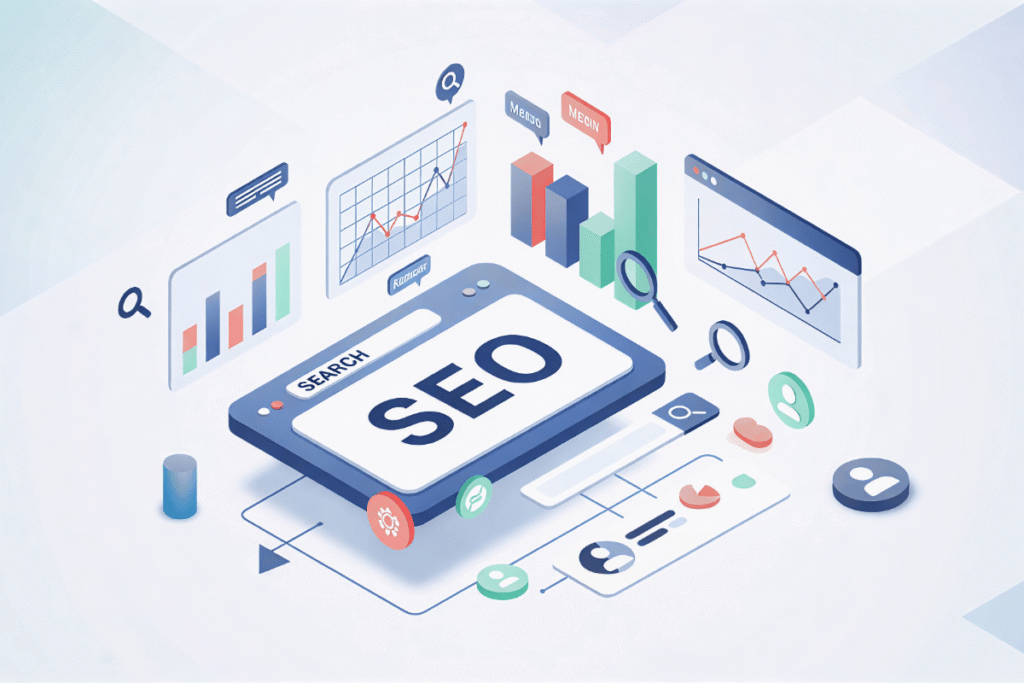
If you’ve been learning about SEO, you’ve probably heard the term netlinking. But what does it actually mean? Many beginners confuse netlinking with backlinks, outreach, or even internal linking. While those concepts are related, netlinking has a broader role in SEO strategy. Understanding the netlinking SEO definition is essential if you want your website to rank higher on Google, attract organic traffic, and compete with established websites. In this beginner-friendly guide, we’ll break down: What netlinking really means in SEO Why search engines rely heavily on links The most effective link building strategies Common mistakes beginners make Best practices to build authority safely By the end, you’ll understand how netlinking fits into a modern SEO strategy and how to start building a strong link profile. Netlinking SEO Definition The netlinking SEO definition refers to the process of acquiring hyperlinks from other websites that point to your website in order to improve search engine rankings and authority. These hyperlinks are commonly known as backlinks. In simple terms: Netlinking = the strategy of building backlinks to increase a website’s credibility and visibility in search engines. Search engines like Google use links as signals of trust. When another website links to your content, it acts like a recommendation. The more relevant and authoritative websites linking to you, the more trustworthy your site appears. However, not all links are equal and this is where strategy matters. Why Netlinking Is Important for SEO Backlinks have been a core ranking factor since the early days of Google. Although SEO has evolved significantly, links still play a crucial role in determining which websites appear on the first page of search results. Here are the main reasons netlinking matters. It Builds Website Authority Search engines evaluate how trustworthy a website is. When reputable sites link to you, it signals that your content is valuable and credible. This helps increase your site’s authority and improves its ability to rank for competitive keywords. It Helps Search Engines Discover Your Pages Search engine bots crawl the internet by following links. When your website receives backlinks, it becomes easier for search engines to: Discover new pages Crawl your content Index your website faster Without links, some pages may remain invisible to search engines. It Improves Search Rankings Backlinks remain one of the strongest ranking signals. In competitive industries, the difference between page 1 and page 3 often comes down to the strength of a website’s backlink profile. Even high-quality content struggles to rank without link authority. It Drives Referral Traffic Netlinking doesn’t just help SEO it can also generate direct traffic. When your site is linked on relevant blogs, news websites, or industry resources, visitors may click those links and discover your business. This traffic is often highly targeted and engaged. Types of Links in Netlinking To understand link building strategies, it’s important to know the different types of links used in SEO. Backlinks (Inbound Links) Backlinks are links from other websites pointing to your site. These are the most valuable links in SEO because they increase authority and trust. Example: A marketing blog linking to your SEO guide. Internal Links Internal links connect pages within the same website. For example, linking a blog post to a service page. Internal linking helps: distribute authority across your site improve user navigation help search engines understand your content structure Outbound Links Outbound links are links from your site pointing to other websites. These links help provide references and improve content credibility. Key Link Building Strategies for Beginners Now that you understand the netlinking SEO definition, let’s explore practical ways to build links. Not all strategies are equal and some are far safer than others. Guest Blogging Guest blogging involves writing articles for other websites in your industry. In exchange, you usually receive a backlink to your website. Benefits include: gaining backlinks reaching new audiences building brand credibility However, focus on quality publications, not spammy blog networks. Content That Attracts Links One of the best long-term netlinking strategies is creating link-worthy content. Examples include: detailed guides industry statistics research studies tools and resources expert roundups High-value content naturally attracts backlinks over time. Outreach to Relevant Websites SEO professionals often reach out to website owners or editors to request backlinks. This can include: suggesting your article as a reference replacing broken links contributing expert insights Outreach works best when the content genuinely adds value. Business Directories and Citations For local businesses, directory listings are a common link source. Examples include: local business directories industry associations review platforms These links may not carry massive authority, but they help establish trust and visibility. Professional Link Building Services Building high-quality links manually takes time and experience. Many businesses work with specialized providers like BuyBacklinks.ca to secure relevant, high-authority backlinks from trusted websites. When done correctly, professional link building can: accelerate SEO growth improve rankings faster strengthen domain authority The key is focusing on quality, relevance, and natural placement. Common Netlinking Mistakes to Avoid Beginners often make mistakes that harm SEO instead of improving it. Here are the most common issues. Buying Spam Links Cheap link packages from low-quality sites can damage rankings. Google’s algorithms are increasingly good at detecting unnatural link patterns. Focusing Only on Quantity Having 500 weak links is far less valuable than having 20 strong ones. Always prioritize quality over volume. Ignoring Relevance A backlink from a website related to your industry is far more powerful than one from an unrelated niche. Relevance signals credibility. Using Over-Optimized Anchor Text Anchor text is the clickable text used in a link. Using the same keyword repeatedly can appear manipulative and trigger penalties. Natural anchor text variation is important. Best Practices for Safe Netlinking If you want long-term SEO success, follow these principles. Focus on Authority Links from trusted websites carry far more value than unknown or low-quality domains. Maintain Link Diversity A natural backlink profile includes: blog links news mentions directories niche sites guest posts Variety makes your link profile appear organic. Build Links Gradually Sudden spikes
How Do I Know If My SEO Is Working? 10 Signs Your Strategy Is Paying Off

You’ve invested time. You’ve published content. Maybe you’ve even built backlinks. But weeks or months later, you’re still asking the same question: How do I know if my SEO is working? It’s one of the most common (and frustrating) questions business owners and marketers ask. SEO doesn’t give instant results like paid ads. It builds momentum quietly and if you don’t know what to look for, you might assume nothing is happening. The truth? SEO success leaves very clear clues. In this guide, we’ll break down 10 concrete signs your strategy is paying off even if revenue hasn’t exploded yet. 1. Your Organic Traffic Is Increasing The first and most obvious signal is growth in organic traffic. Check your Google Analytics: Is traffic from search engines rising month over month? Are new users finding your website? Are impressions increasing in Google Search Console? Even steady, small increases are a positive sign. SEO growth is often gradual, not dramatic. What weak strategies miss: Many people only check total traffic. Instead, focus specifically on organic traffic from search engines. 2. Your Keyword Rankings Are Improving If you’re targeting specific keywords, you should see gradual ranking improvements. For example: Moving from page 5 to page 2 Jumping from position 18 to position 9 Breaking into the top 3 for long-tail queries Ranking growth often happens before traffic spikes. If you’re targeting competitive Canadian terms, ranking shifts can take time especially in industries like digital marketing, ecommerce, or local services. 3. Your Website Is Getting More Impressions Sometimes traffic doesn’t increase immediately but impressions do. In Google Search Console, check: Total impressions Average position Click-through rate (CTR) More impressions mean Google is testing your content in search results. That’s a very positive sign. 4. You’re Earning Backlinks Naturally One powerful answer to how do I know if my SEO is working is this: Other websites start linking to you. When your content ranks and becomes useful, people reference it. Natural backlinks are one of the strongest indicators that your content has authority. Even one high-quality link from a reputable site can significantly improve rankings. If your strategy includes professional link acquisition like the services offered at BuyBacklinks.ca you should also see: Increased referring domains Higher domain authority Improved keyword positioning 5. Your Domain Authority Is Growing While domain authority (DA) isn’t a Google metric, it’s still a useful directional signal. If your backlink profile improves: Referring domains increase Toxic links are removed High-authority links are added You’ll often see a steady DA increase over time. This indicates your site is becoming more competitive in search results. Your Click-Through Rate (CTR) Is Improving Ranking alone doesn’t guarantee traffic. If your SEO is working well: Your title tags are compelling Your meta descriptions are clear Your pages match search intent That combination leads to higher CTR. Even moving from a 1% to a 3% CTR can triple your traffic without changing your ranking. 7. You’re Getting More Qualified Leads Traffic is nice. Qualified traffic is better. A strong sign your SEO strategy is working is better-quality inquiries: More relevant leads Higher conversion rates Longer time on page Lower bounce rates If visitors are staying longer and engaging with multiple pages, your content matches their intent. 8. Your Pages Are Getting Indexed Faster As your authority grows, Google trusts you more. New content gets: Indexed faster Ranked sooner Crawled more frequently If you publish a blog post and it appears in search results within days instead of weeks, that’s progress. 9. You’re Winning Long-Tail Keywords Sometimes, the clearest answer to how do I know if my SEO is working isn’t your main keyword, it’s the dozens of small ones you didn’t expect. Check Search Console for: Long, specific search queries Variations of your main keyword Question-based searches These long-tail terms often convert better and signal strong topical authority. 10. Competitors Start Reacting This one is subtle but powerful. If competitors: Start copying your content structure Improve their backlink strategy Target your ranking keywords It means you’re becoming visible in the market. In competitive industries, visibility forces reaction. Common Mistakes When Measuring SEO Success If you feel unsure whether your SEO is working, you might be making these measurement mistakes: 1. Expecting Immediate Results SEO typically takes 3–6 months to show strong traction, sometimes longer in competitive niches. 2. Tracking Too Many Metrics Focus on: Organic traffic Keyword rankings Referring domains Conversions 3. Ignoring Backlink Quality Low-quality backlinks can stall progress or even cause penalties. High-authority, relevant links are what truly move rankings. How Long Does SEO Really Take? In Canada’s competitive digital landscape, timelines vary depending on: Industry competition Domain age Backlink strength Content quality Technical health Generally: Month 1–2: Foundation building Month 3–4: Ranking movement Month 5–6+: Strong traffic growth SEO is compounding. The longer you invest in it properly, the stronger the returns. When SEO Is NOT Working Be honest about red flags: No traffic growth after 6 months No ranking movement at all No new backlinks Sudden ranking drops Increasing spam links These signs suggest strategy adjustments are needed. Often, weak backlink profiles are the missing piece. Search engines still rely heavily on link authority to determine trust and relevance. The Role of Backlinks in SEO Performance Backlinks remain one of Google’s strongest ranking factors. Without quality links: Content struggles to rank Authority stays low Competitors outperform you That’s why many Canadian businesses work with specialized providers like BuyBacklinks.ca to build high-quality, niche-relevant backlinks that improve rankings safely and strategically. The key is relevance, authority, and natural placement not volume alone. How Do I Know If My SEO Is Working? So, how do I know if my SEO is working? Look for momentum: Rising organic traffic Improving rankings Growing backlinks Better engagement More qualified leads SEO success isn’t a single number, it’s a pattern of upward signals across multiple metrics. If you’re seeing several of the signs above, your strategy is on the right track. And if you’re missing one critical element, especially