
Ask ten search marketers whether social media improves Google rankings, and you will likely spark an argument.
One camp will point to official statements from Google engineers confirming that follower counts, likes, and shares are not direct ranking signals. The other camp will show you analytics dashboards where viral content goes hand-in-hand with massive spikes in organic search traffic.
Both sides are right, yet most brands miss the actual mechanism connecting the two channels. Treating seo social media as two isolated departments leaves massive authority on the table. While a thousand likes on a LinkedIn post will not automatically push your webpage to position one, the ripple effects of an intelligent social media marketing seo strategy directly feed the exact signals search engines care about most: backlinks, branded search volume, entity authority, and user engagement.
If you want sustainable search visibility in Canada and beyond, you need to understand how social signals translate into search equity and how to build a system where every post strengthens your domain.
The Truth About Social Signals and Search Algorithms
Let’s clear up the technical reality first. Search engines do not use raw social engagement metrics as direct algorithmic inputs. Anyone can buy 10,000 bot retweets or Instagram likes for a few dollars. Because social metrics are easily manipulated and platform access is often restricted by login walls, search algorithms cannot rely on them as a primary measure of page quality.
However, stopping your analysis there is a costly mistake. Search engines evaluate websites based on authority, relevance, and trust (E-E-A-T). Social platforms are the primary distribution engines where real humans including journalists, bloggers, industry creators, and buyers discover content.
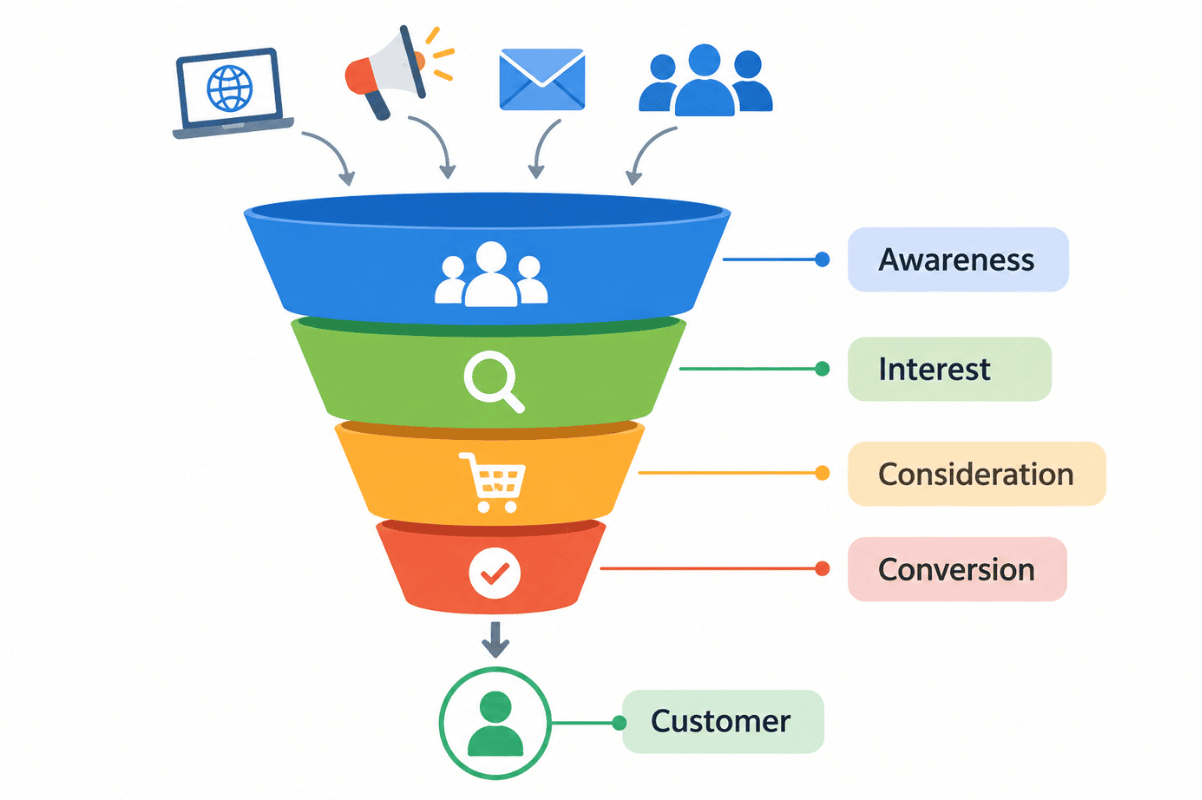
When you align seo media distribution with your organic search goals, you trigger a chain reaction of indirect ranking factors that algorithms actively reward:
- Content Discovery and Passive Link Earning: Writers cannot link to your research if they never see it. Social distribution puts your linkable assets in front of publishers who cite sources in their own articles.
- Branded Search Demand: When users see your brand repeatedly on LinkedIn, X, or YouTube, they open Google and search for your company name alongside your core service keywords.
- SERP Real Estate Domination: Active social profiles rank on page one for branded queries, pushing competitors down and reinforcing trust before a prospect ever clicks your website.
- Faster Indexing and Crawl Signals: High-traffic spikes from social referrals encourage search bots to crawl and evaluate updated pages faster.
5 Ways Social Media Marketing SEO Drives Organic Growth
To turn social engagement into search performance, you have to stop posting just for vanity metrics and start engineering social activity that feeds search engines.
1. Turning Social Distribution Into White-Hat Backlinks
Backlinks from relevant, authoritative websites remain one of the strongest ranking factors in Google’s algorithm. Yet publishing a great guide on your blog and waiting for links to appear rarely works. Cold outreach is effective, but it becomes significantly easier when supported by active social visibility.
When you break down a comprehensive blog post or original data study into native social threads, carousels, or short videos, you multiply its reach. Industry bloggers, newsletter writers, and journalists use social feeds to source ideas and references.
Practical example: Suppose a Canadian SaaS company publishes a benchmark report on remote work productivity. Instead of just sharing a bare link on LinkedIn (which algorithms suppress), the team posts three distinct data charts as native images over a week, tagging industry commentators for their take. A tech writer sees the chart, clicks through to the full study in the comments, and cites the report with a dofollow link on a high-authority publication. That single editorial backlink carries more ranking weight than months of unpromoted blogging.
2. Fueling Branded Search and Navigational Queries
When people search for “Your Brand Name + [Service]” on Google, search engines take notice. Repeating navigational and branded searches signal to Google that your business is a recognized, trusted entity in your niche.
Social media is the top driver of this behavior. A B2B buyer might watch three of your short-form videos on TikTok or read five of your posts on LinkedIn without ever clicking a bio link. Weeks later, when they actually need link building or SEO consulting, they go straight to Google and type your brand name.
This surge in branded search volume does two things:
- It signals genuine off-site authority that cannot be faked by on-page keyword tweaks.
- It improves your site-wide click-through rates (CTR) on non-branded keywords because searchers recognize your domain name in the SERPs and choose your link over an unfamiliar competitor above you.
3. Strengthening E-E-A-T and Entity Authority
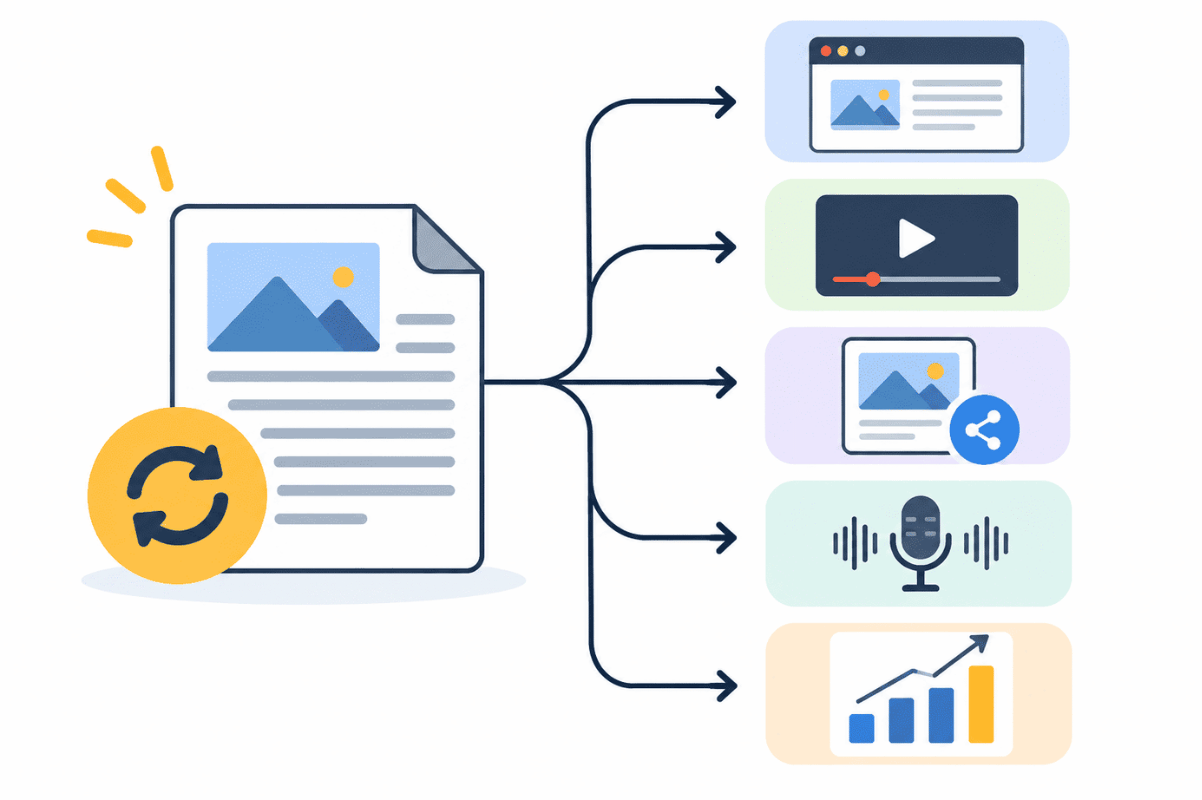
Modern search engines do not just index strings of keywords; they map entities people, places, brands, and concepts and how they relate to one another. Google’s Knowledge Graph connects your website to your official social profiles, key executives, and authors.
When your blog articles are written by real authors whose bios link to active, credible LinkedIn or X profiles, it validates the “Experience” and “Expertise” pillars of E-E-A-T. Search quality raters and automated systems look for consistent footprints across the web. A website claiming to be a leading Canadian finance resource looks suspicious if it has zero social presence, no identifiable authors, and no community interaction. Conversely, consistent seo social media alignment proves there is a real, active organization behind the domain.
4. Ranking Inside Social Platforms (Social Search)
Search behavior itself has fractured. Younger demographics and even B2B decision-makers frequently bypass traditional search engines for initial discovery, typing queries directly into YouTube, TikTok, Pinterest, Reddit, and LinkedIn.
Furthermore, Google increasingly integrates short-form videos, forum discussions, and social posts directly into traditional search results via dedicated carousels and “Perspectives” filters. If you optimize your social content with the same keyword research you use for your blog, you can capture two spots on page one of Google: one for your website article, and one for your YouTube video or LinkedIn pulse article covering the same topic.
5. Improving User Engagement Signals on Your Site
Traffic from social media behaves differently when it is properly pre-qualified. If you use clickbait on social media, visitors will bounce within three seconds sending negative engagement signals.
However, when you share a deep insight on social media and direct engaged readers to a calculator, template, or comprehensive tutorial on your website, those visitors spend minutes reading, scrolling, and clicking internal links. High dwell time and multi-page sessions reinforce that your page satisfies user intent.
How to Build a Unified SEO Social Media Strategy
Knowing that social and search work together is one thing; executing it without doubling your workload is another. Follow these practical frameworks to merge your workflows.
Optimize Your Social Profiles for Search Engines
Your social profiles are high-authority pages that Google indexes. Treat them like mini landing pages:
- Consistent NAP and Branding: Ensure your brand name, URL, and location details match your website and Google Business Profile exactly especially vital for local Canadian SEO.
- Keyword-Rich Bios: Do not fill your company description with vague slogans. Include your primary service keywords naturally inside the first 150 characters of your LinkedIn, X, YouTube, and Instagram bios.
- Schema Markup Integration: Add Organization or Person schema to your website and populate the sameAs property with the exact URLs of your official social profiles. This explicitly tells search engines that these profiles belong to your entity.
Repurpose High-Intent SEO Content for Social Feeds
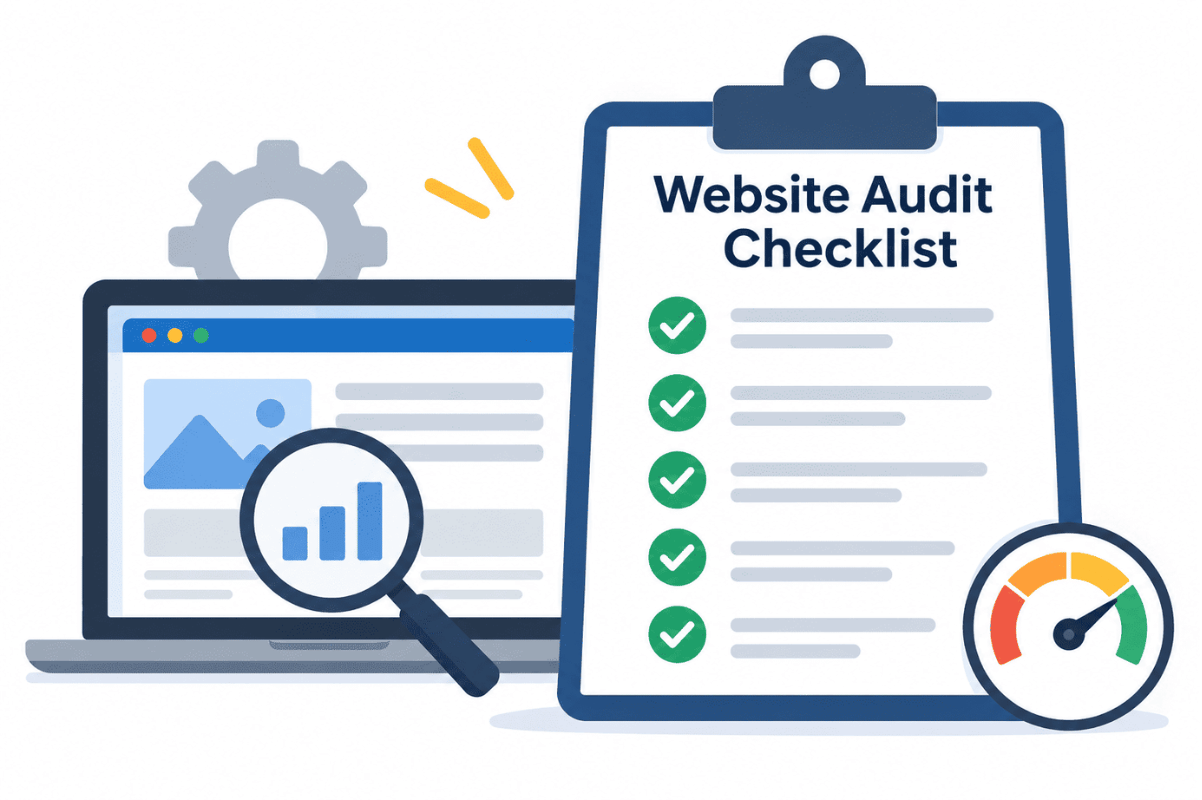
Stop creating social content from scratch every morning. Your keyword research already tells you what your audience cares about.
- Turn H2s into Standalone Posts: A 1,500-word blog post with five H2 subheadings contains five separate social posts. Turn each section into a punchy text post or a 60-second video.
- Use Social as a Testing Ground: Before spending 10 hours writing an ultimate guide or building backlinks to a new topic, test the core angle in a short social post. If a topic sparks heavy comments and saves, you know it will convert well when you rank for it in search.
- Make Visuals “Swipe-Worthy” and Linkable: Custom diagrams, workflow charts, and comparison graphics perform exceptionally well on social feeds. Better yet, when you embed those same custom graphics in your blog posts, other writers will embed your image and link back to your domain as the image source.
Write Native Captions Using Search Keywords
Social platforms rely heavily on text cues to categorize who should see your content. When you upload a video or carousel:
- Include your target keyword phrase naturally in the opening hook of the caption.
- Speak the target keyword out loud in the first five seconds of video content (platforms auto-transcribe audio for indexing).
- Use descriptive alt text on social images rather than leaving them blank.
Common Mistakes That Ruin Social Media Marketing SEO
Even experienced marketers sabotage their efforts by falling into outdated habits. Watch out for these costly pitfalls:
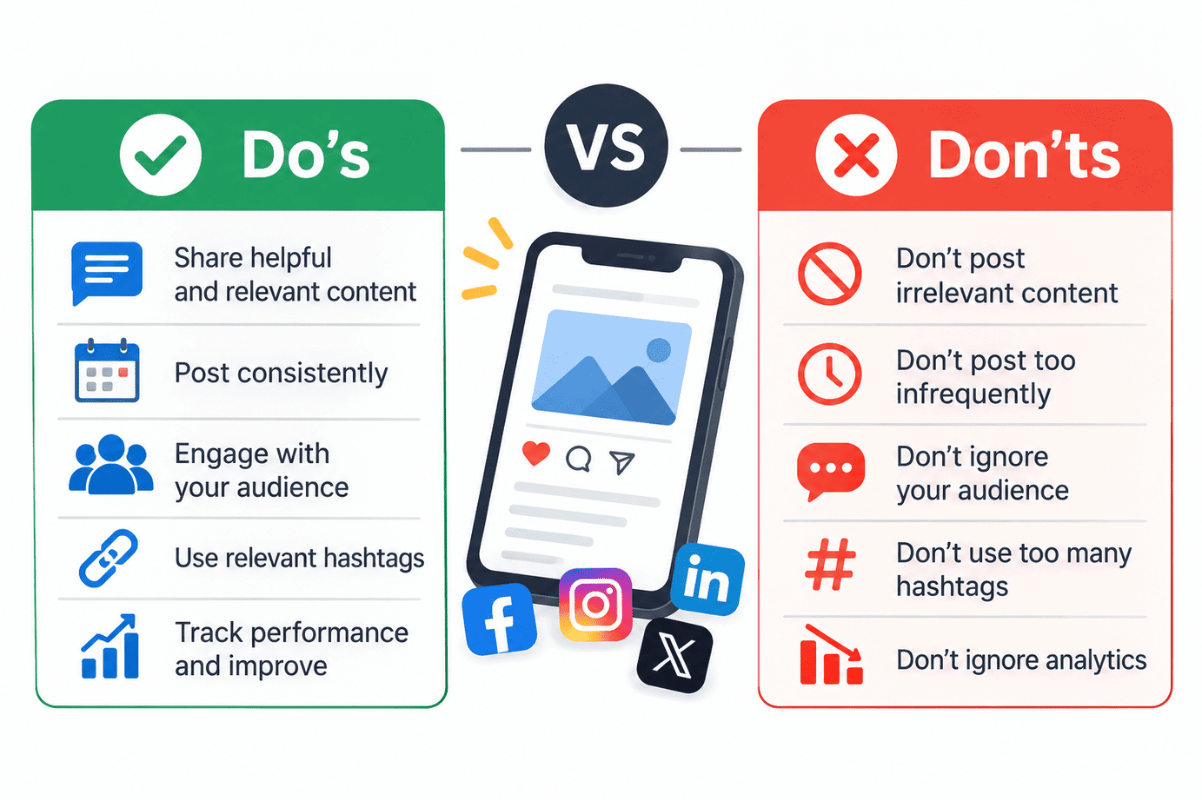
- Buying Fake “Social Signals” Packages: Avoid shady marketplaces selling “5,000 SEO social signals” (automated shares and likes from bot accounts). These provide zero ranking benefit, destroy your social engagement rates, and never result in real traffic or editorial backlinks.
- Dumping Naked Links on Social Feeds: Social platforms want to keep users on their apps. If your social strategy consists solely of pasting a blog link with the caption “New blog post is live! Read here,” algorithms will bury your reach. Deliver 80% of the value natively in the post, and place the link in the comments or use a strong reason to click for the remaining templates or deep steps.
- Ignoring Broken Links in Old Social Profiles: Rebrands and URL changes often leave old social bios and pinned posts pointing to 404 pages. Audit your social properties quarterly to ensure every outbound link resolves cleanly to a live 200-status page.
- Treating Social Shares as a Substitute for Real Link Building: While social visibility helps you earn organic links over time, it rarely replaces the targeted authority of strategic outreach. Competitive keywords still require deliberate, niche-relevant backlinks from trusted domains to break into the top three positions.
Combine Social Momentum With Proven Authority
An integrated seo social media strategy transforms your content from static pages into an active growth engine. Social media creates the awareness, branded searches, and human connections that warm up your audience, while technical SEO and high-authority backlinks lock in your long-term search rankings.
When your social content starts generating attention, make sure your website has the domain strength to capitalize on it. At BuyBacklinks.ca, we help Canadian businesses and global brands turn good content into dominant search assets through manual, white-hat blogger outreach, niche-relevant placements, and authoritative .ca backlinks. If you are ready to pair your content marketing with safe, measurable link building that moves the needle, explore our custom link-building solutions at BuyBacklinks.ca.
3. Frequently Asked Questions (FAQ)
Do social media links count as dofollow backlinks for SEO?
Almost all links shared inside social media posts and profile bios carry nofollow or ugc attributes, meaning they do not pass direct PageRank or link equity. However, they still drive qualified referral traffic, assist with faster content discovery, and expose your content to creators who can give you dofollow editorial backlinks on their own websites.
Does Google index social media posts?
Yes, Google indexes public pages across major platforms including LinkedIn articles, X posts, YouTube videos, Pinterest pins, and public Facebook or Instagram pages. Optimizing these posts with relevant keywords allows your social content to appear directly in Google SERPs, especially for branded and trending queries.
Which social media platform is best for SEO?
YouTube and LinkedIn generally deliver the strongest social media marketing seo impact. YouTube is owned by Google and dominates video carousels in traditional search results, while LinkedIn articles and company pages carry high domain authority that ranks quickly for B2B and professional search terms.
Can buying social signals improve my Google rankings?
No. Purchasing automated likes, shares, or bookmarks from cheap link networks does nothing to improve organic rankings. Google’s algorithms ignore raw social counts, and fake engagement will only hurt your credibility and algorithmic reach on the social networks themselves.
How does social media help local SEO in Canada?
Active local social profiles reinforce your geographic relevance and drive local branded searches. When Canadian customers engage with geo-tagged posts, click directions, or search for your business name on Google Maps after seeing a local social ad or reel, it strengthens the prominence signals that help your Google Business Profile rank in the Local Pack.
