
Getting found by local customers is not simply about adding a city name to your website. Google needs clear signals about what your business offers, where you operate, and which locations you serve.
That becomes even more important when you manage multiple business locations. A single location may only need a well-optimised Google Business Profile and a strong local landing page. A multi-location business, however, needs a more organised approach to location pages, business information, reviews, internal links, and local content.
The right local SEO strategy helps businesses appear in relevant local searches without creating duplicate pages or confusing search engines.
Whether you run one shop, a service-area business, or dozens of locations, these practical strategies can help strengthen your local visibility.
Why Local SEO Matters for Small and Multi-Location Businesses
Local search often connects businesses with people who are already looking for a product or service nearby.
Someone searching for a dentist, contractor, restaurant, accountant, or repair service usually wants a business they can contact or visit without travelling far.
Effective local SEO optimization can help your business:
- Increase visibility in local Google searches
- Improve Google Maps presence
- Attract relevant website visitors
- Generate more calls and enquiries
- Build trust with local customers
- Strengthen visibility across individual service areas
The goal is not simply to rank for every possible location. The goal is to appear when your business is genuinely relevant to a local search.
1. Optimise Your Google Business Profile
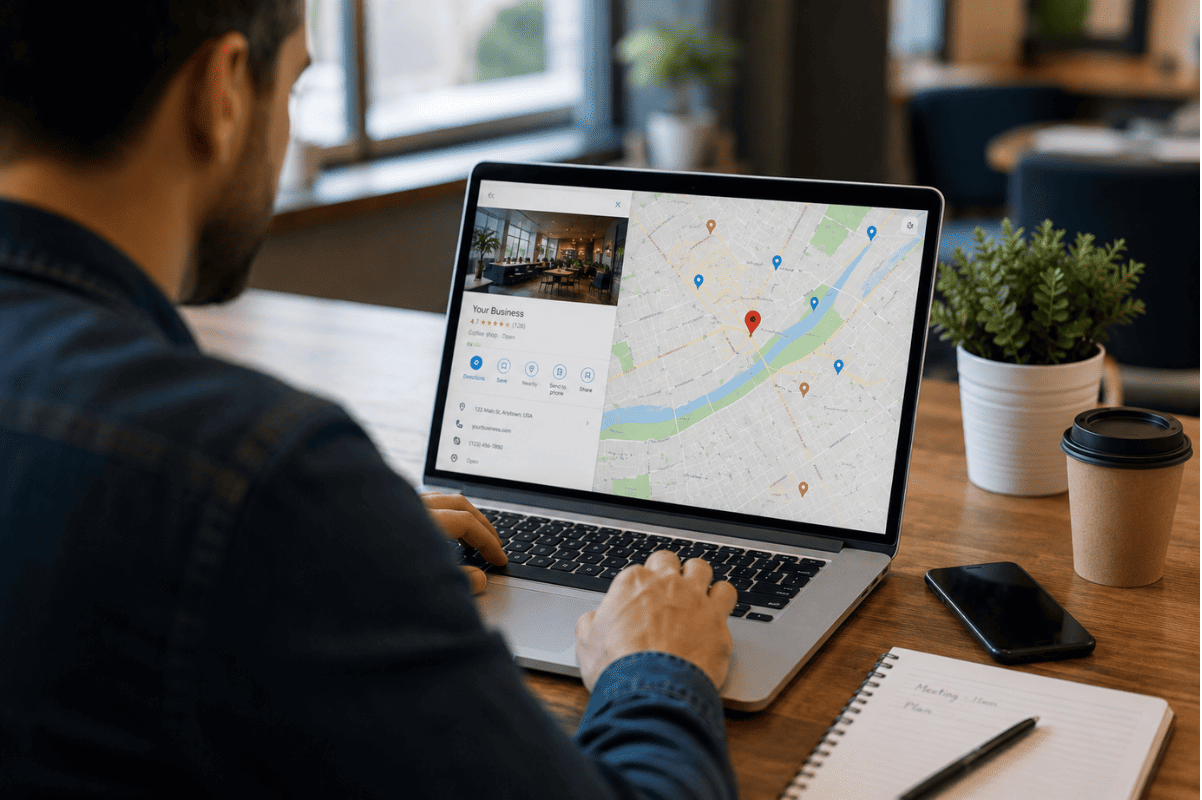
For businesses with physical locations, Google Business Profile should be a central part of your local SEO efforts.
Each eligible location should have accurate business information, including:
- Business name
- Address
- Phone number
- Website
- Opening hours
- Business category
- Services
- Photos
Multi-location businesses should avoid treating every profile as an exact copy of another. Each location should accurately represent the business at that specific address.
Keep opening hours, services, and contact information updated. Even a small change, such as a holiday schedule, should be reflected when necessary.
Choose the Right Primary Category
Your primary business category helps Google understand what your business does.
Choose the category that most accurately describes the main service or purpose of the location. Add relevant secondary categories where appropriate, but avoid selecting unrelated categories simply to target additional searches.
2. Create Unique Location Pages
One of the most important local SEO best practices for multi-location websites is creating useful location pages.
Each location should have its own URL when there is enough unique information to provide genuine value.
A strong location page can include:
- Full address and contact details
- Opening hours
- Services available at that location
- Local photographs
- Directions or nearby landmarks
- Customer reviews or testimonials
- Frequently asked questions
- Relevant local information
Avoid creating dozens of pages where only the city name changes.
For example, replacing “Toronto” with “Mississauga” across the same paragraph does not create useful local content. Each page should provide information that actually helps customers in that area.
3. Keep NAP Information Consistent
NAP stands for Name, Address, and Phone number.
Your business information should be consistent across your website, Google Business Profile, directories, social profiles, and other relevant platforms.
For multi-location businesses, consistency becomes more challenging because every location has different contact information.
Create a central record of each location’s:
- Official business name
- Address
- Phone number
- URL
- Hours
- Services
- Business category
This makes it easier to identify incorrect information and maintain accurate listings.
4. Build a Clear Website Structure
Your website architecture should make it easy for users and search engines to understand your locations.
For example:
example.com/locations/
Then individual location pages could follow:
example.com/locations/toronto/
example.com/locations/mississauga/
example.com/locations/brampton/
The exact structure depends on the business, but the principle remains the same. Location pages should be logically organised and easy to reach through internal links.
Avoid burying important location pages several clicks deep within the website.
5. Target Local Search Intent Naturally
Keyword research remains useful, but local SEO should focus on search intent rather than repeating city names.
Instead of forcing a keyword into every paragraph, create content that answers questions local customers actually have.
For example, a roofing company might target searches related to:
- Roof repair in a specific city
- Emergency roofing services nearby
- Residential roof replacement
- Local roofing inspections
Use relevant terms naturally in page titles, headings, body copy, URLs, and metadata.
Good local SEO optimization makes a page useful for local customers first.
6. Build Local Citations Carefully
Local citations are online references to your business information.
These can come from:
- Local directories
- Industry websites
- Business associations
- Chambers of Commerce
- Relevant community websites
- Trusted review platforms
Quality matters more than submitting your business to every directory available.
For small businesses, focus on reputable platforms relevant to your industry and location. For multi-location businesses, ensure each listing points to the correct location page and contains accurate information.
7. Earn Relevant Local Backlinks
Backlinks can strengthen your website’s authority and support your broader local SEO strategy.
Look for legitimate opportunities to earn links from relevant websites, such as:
- Local publications
- Community organisations
- Industry associations
- Local business partners
- Sponsorships
- Community events
A local backlink can be particularly useful when it comes from a trustworthy website that is genuinely connected to your business or community.
Avoid buying large numbers of low-quality links simply to increase backlink counts. Relevance, quality, and credibility matter.

8. Build a Review Strategy
Reviews influence how potential customers perceive your business and contribute to your overall local presence.
Encourage satisfied customers to leave honest reviews on platforms where your business is listed.
For multi-location businesses, monitor reviews separately for each location.
Respond professionally to both positive and negative feedback. A thoughtful response can show potential customers that your business pays attention to customer experiences.
Never create fake reviews or offer misleading incentives in exchange for positive feedback.
9. Create Locally Relevant Content
A local business blog should not exist simply to publish keywords.
Create content that answers questions from your target customers.
For example:
- Seasonal guides for your service area
- Local buying guides
- Area-specific maintenance tips
- Answers to common customer questions
- Local event coverage
- Service comparisons
- Helpful location-based resources
A small business can often compete effectively by creating genuinely useful content around a specific community rather than trying to target an enormous national audience.
10. Follow Mobile and Technical SEO Best Practices
Local customers frequently search from mobile devices, so your website needs to work well on smaller screens.
Check that your website:
- Loads quickly
- Uses responsive design
- Has readable text
- Provides easy-to-use navigation
- Displays phone numbers clearly
- Makes contact forms simple to complete
- Uses secure HTTPS connections
Also review technical issues such as broken links, incorrect canonical tags, indexing problems, duplicate pages, and slow-loading resources.
Technical problems can prevent otherwise valuable local content from performing properly.
Common Local SEO Mistakes to Avoid
Several mistakes can weaken local visibility, particularly on multi-location websites.
Avoid:
- Copying the same location page for every city
- Using incorrect business information
- Creating fake locations
- Stuffing city names into content
- Ignoring customer reviews
- Building low-quality backlinks
- Linking every location page to every other location unnecessarily
- Creating thin pages with little local value
The strongest approach is to create fewer, better pages that genuinely serve customers.
A successful local SEO campaign requires more than adding location keywords to a website. Small businesses need accurate business information, useful content, strong local signals, and a website that makes it easy for customers to take action.
Multi-location businesses have additional challenges, but a well-organised website structure, unique location pages, accurate profiles, local backlinks, and consistent reviews can create a scalable foundation.
Following proven local SEO best practices also makes it easier to identify problems before they become expensive to fix.
If your website already has a strong technical and content foundation, quality link building can provide another layer of authority. buybacklinks can complement your local SEO efforts with relevant link-building strategies designed to support long-term organic visibility.
Frequently Asked Questions
What is local SEO optimization?
Local SEO optimization is the process of improving a business’s online presence so it can appear more prominently in relevant searches from customers in a specific geographic area.
Do small businesses need local SEO?
Yes. Local SEO can help small businesses compete for searches made by customers looking for nearby products or services.
Should every business location have its own page?
If each location is legitimate and has enough useful information, dedicated location pages can make sense. They should contain unique, valuable information rather than duplicated content.
What is the most important local SEO strategy?
There is no single tactic that works for every business. Accurate business information, a well-optimised Google Business Profile, useful location pages, reviews, relevant backlinks, and a technically sound website should work together.
How long does local SEO take?
Results vary depending on competition, location, website authority, and the condition of your existing SEO. Some improvements may become visible relatively quickly, while competitive local searches can require sustained effort over several months.
